How to Choose a Perfume Bottle for Your Brand
Introduction
A perfume bottle does not just sit there and hold liquid.
It sells the first feeling.
Before the customer smells the fragrance, they touch the glass. They notice the weight. They look at the clarity. They press the pump. They hear the cap click. That tiny moment says a lot about the brand.
And yes, buyers know this.
But here’s the thing. We have seen plenty of brands choose a Perfume Bottle because it looked beautiful in a supplier photo, then run into trouble later. The pump did not fit cleanly. The coating scratched too easily. The bottle leaked after shipping. The cap felt loose after assembly.
Annoying? Very.
Costly? Even more.
A good Glass Perfume Bottle needs beauty, but it also needs engineering. The neck finish must match the sprayer. The wall thickness must stay even. The glass must protect the fragrance. The surface finish must survive handling, UV exposure, warehouse storage, and retail display.
Look, nobody wants to launch a fragrance line and then explain leakage complaints to distributors.
So this guide speaks directly to B2B buyers — importers, wholesalers, fragrance brand owners, OEM customers, and private-label teams. We will walk through the real buying scenarios, the technical points that matter, and the common mistakes we see when brands source Perfume Bottle packaging.
Not theory.
Real sourcing work.
Why the Perfume Bottle Matters
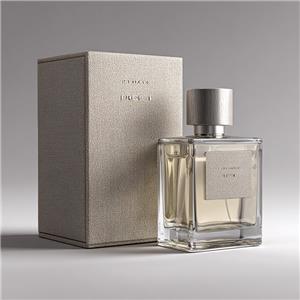
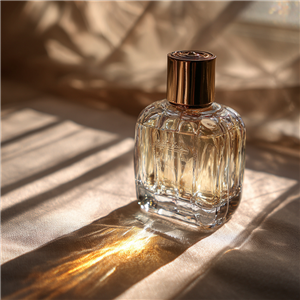
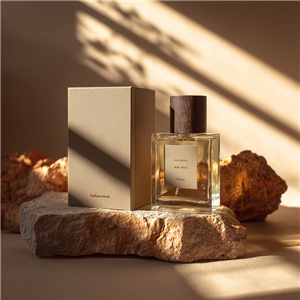
A Clear Glass Perfume Bottle looks simple at first glance.
Clean glass. Nice shape. Good transparency. Maybe a heavy base. Maybe a polished cap.
But once you move from sample approval to bulk production, the bottle starts doing much harder work. It must protect an alcohol-based formula. It must seal tightly with the pump. It must avoid breakage on filling lines. It must travel across oceans without leaking inside cartons.
That is where buyers need to slow down.
A Perfume Bottle matters because it affects the whole customer experience. If the bottle feels cheap, the fragrance feels cheaper too. If the spray feels weak or uneven, the customer questions the formula. If the cap fits badly, the brand loses its premium feel before the first spray.
We have noticed four technical areas that B2B buyers should never ignore:
Sealing integrity: The bottle must prevent leakage during shipping, warehouse storage, retail display, and travel.
Compatibility: The neck finish, crimp area, sprayer, collar, and cap must fit as one complete system.
Durability: Glass thickness, base design, and wall balance must support automated filling and long-distance transportation.
Surface quality: Frosting, coating, printing, and hot stamping must resist UV exposure, hand contact, and repeated handling.
Let’s be real. A beautiful bottle can win attention.
A reliable bottle wins repeat orders.
That is the difference.
Real Buying Scenarios
Commercial Fragrance Packaging
Most buyers source a Perfume Bottle for commercial fragrance packaging.
That includes perfume, cologne, room fragrance, essential oil blends, private-label perfume, and niche fragrance collections. In this scenario, the bottle needs to look premium and behave consistently during filling, assembly, shipment, and retail display.
A Clear Glass Perfume Bottle works well when the brand wants to show the fragrance color. Pale gold, amber, light pink, clear liquid, soft green — glass transparency helps these formulas look clean and elegant.
For many commercial perfume projects, Empty Cologne Bottle designs with 15mm neck finishes pair well with fine mist sprayers. This combination gives a familiar structure and helps the bottle deliver a smooth spray feel.
But do not assume every 15mm neck performs the same.
We have handled samples that looked identical on the table, but the pump fit changed once we checked actual production pieces. One batch crimped tightly. Another batch needed adjustment. A few bottles showed weak sealing after vibration checks.
Tiny difference.
Big headache.
For alcohol-based perfume and essential oil packaging, buyers should test the actual bottle, actual pump, actual collar, and actual cap together. Not similar parts. Not temporary parts. The real set.
That is the only way to judge the final package.
Travel & Daily Use
Compact Refillable Spray Bottles have become more popular because customers want fragrance that fits real life.
People keep small bottles in handbags, gym bags, office drawers, cars, makeup pouches, and carry-on luggage. They want convenience. They want portability. They want a bottle that does not leak all over their things.
Fair enough.
But travel use punishes weak packaging.
A bottle may lie sideways for hours. It may face pressure changes during flights. It may sit in a hot car. It may get shaken inside a bag. If the inner plug, gasket, actuator, or cap design has even a small weakness, the fragrance can leak.
We have seen travel bottles pass a simple water test and still fail later with alcohol-based perfume.
Why?
Alcohol finds small gaps more easily than water. It moves faster. It exposes weak seals.
So when buyers choose Refillable Spray Bottle packaging, they should ask practical questions:
Does the sprayer seal tightly?
Does the cap protect the actuator?
Does the inner plug fit securely?
Has the supplier tested the bottle upside down?
Has the bottle passed vibration testing?
A small travel bottle looks easy to source. It is not.
Not if you care about complaints.
DIY Cosmetics & Home Repurposing
Many customers reuse a Glass Perfume Bottle after the fragrance runs out.
Some refill it with facial mist. Some use it for essential oil blends. Some turn it into a reed diffuser bottle. Some keep a beautiful Empty Cologne Bottle on a vanity table simply because it looks too good to throw away.
This matters for B2B brands.
When customers keep the bottle, they keep the brand in their daily space. The bottle continues to create value even after the fragrance is gone.
That only happens when the bottle feels worth keeping.
A bottle with cloudy glass, peeling coating, a loose cap, or a weak pump usually goes straight into the trash. A sturdy Clear Glass Perfume Bottle with clean finishing and a comfortable hand feel has a much better chance of getting reused.
We see this often with niche fragrance brands. Customers like packaging that feels personal, practical, and well made.
So yes, reuse value matters.
Not always on the purchase order.
But definitely in the customer’s mind.
Common Pain Points
Perfume packaging problems rarely start with one big mistake.
Usually, they start with small things nobody checked early enough.
We have seen this again and again with Perfume Bottle sourcing projects.
Pump & neck mismatch: Even a 0.1mm deviation can cause leaks.
Coating or decoration failure: UV exposure or improper cleaning can peel metallic or frosted finishes.
Uneven wall thickness: Weak points crack under temperature swings or vibration.
Supply chain surprises: Mass production inconsistencies that weren’t present in initial samples.
The first sample looks good.
Everyone relaxes.
Then bulk production starts, and the real problems show up. The neck finish drifts slightly. The pump supplier changes a small part. The coating looks different under retail lighting. The bottle feels heavier than expected. The carton protection fails during shipment.
That is why we always tell buyers to test the full packaging system before placing a large order.
A Glass Perfume Bottle does not work alone. It works with the sprayer, collar, cap, gasket, carton, and filling line.
Ignore one part, and the whole package can fail.
Selection Guide
Choosing the right Perfume Bottle means balancing design, cost, performance, and production stability.
Yes, the bottle must look good.
But if you only judge by appearance, you may miss the details that decide whether the package works in real use.
Here is what we check first when we help buyers compare China glass perfume bottles:
Neck finish compatibility: Make sure the pump and crimp height match the bottle correctly.
Glass type: Choose high borosilicate or neutral-treated ultra-clear glass when fragrance stability matters.
Wall thickness: Keep the glass distribution uniform to reduce cracking and breakage risk. Target deviations ≤0.1mm.
Base thickness: Use an optimized range between 3.5mm–6.2mm for better impact resistance.
Surface quality: Check smoothness, curing quality, coating adhesion, and decoration stability.
Refillable options: Refillable Spray Bottles can support sustainability and improve long-term brand value.
Look, many first-time buyers skip vibration testing.
We understand why. It feels like one more step. One more delay. One more cost.
But skipping it can cost far more later.
Even well-made China glass perfume bottles can leak if the pump, neck, and packaging structure do not handle transport conditions. Sea freight especially can expose weak sealing. Cartons shake for weeks. Pallets shift. Bottles face pressure from stacking.
A sample that passes a quick desk check may still fail on the water.
So test it.
Shake it.
Fill it with the real formula.
Use the real pump.
Then decide.
Technical Parameters to Evaluate
| Parameter | Recommendation | Why it Matters |
|---|---|---|
| Neck finish | ±0.03mm tolerance | Ensures pump fits and prevents leaks |
| Wall thickness | ±0.1mm uniformity | Avoids weak points, improves durability |
| Base thickness | 3.5mm–6.2mm | Reduces breakage during filling and transport |
| Glass type | Borosilicate or neutral-treated | Chemical stability, fragrance integrity |
| Surface finish | Adhesion > ASTM standard | Coatings resist peeling or chipping |
| Refillable option | Optional but recommended | Enhances brand sustainability |
These numbers may look dry.
But they tell you more than a glossy product photo ever will.
A neck finish within ±0.03mm helps the pump sit correctly. That matters because loose fitting creates leakage risk. Wall thickness within ±0.1mm helps the bottle resist stress during filling and shipping. A base thickness between 3.5mm–6.2mm gives the bottle a stronger feel and better impact resistance.
Glass type also deserves attention. Borosilicate or neutral-treated glass helps protect fragrance integrity, especially when the formula contains alcohol, essential oils, citrus notes, or acidic components.
Surface finish matters too. A coating may look amazing in the sample room, but if it cannot resist peeling or chipping, it will hurt the brand later.
And refillable options?
We see more buyers asking for them now. A Refillable Spray Bottle can support sustainability claims and give customers a reason to keep using the package.
Simple idea.
Strong value.
Common Mistakes to Avoid
Choosing purely for aesthetics – The bottle may look good but fail on a filling line.
Skipping neck and pump testing – Tiny misalignment causes leaks.
Ignoring vibration testing – Transport exposes flaws in sealing.
Overcomplicating decoration early – Custom coatings or hot-stamping can fail at scale.
Neglecting refillability – Missed chance to improve brand perception and sustainability.
We see these mistakes often, especially with new fragrance brands.
The team chooses a bottle because it photographs well. The buyer approves the sample quickly. The brand spends heavily on custom decoration. Then the supplier starts mass production, and suddenly the pump fit feels different. The coating does not match the approved sample. The bottle breaks during filling. The carton design does not protect the glass well enough.
Painful.
And avoidable.
Here is our practical advice.
Do not approve a Perfume Bottle only by looking at one perfect sample.
Ask for several samples from the same production method. Test the pump. Fill the bottle. Leave it upside down. Shake it. Check the spray. Rub the coating. Put it under light. Measure the neck. Review the carton.
This sounds like extra work because it is extra work.
But it is much cheaper than fixing a failed shipment.
Part 1 Summary
In the first half of this guide, we’ve covered:
Why the Perfume Bottle is critical for B2B brands
Real-world usage scenarios including retail, travel, and DIY
Common challenges and mistakes in sourcing
Selection criteria and technical parameters
A Perfume Bottle is not just a container. It is a product system.
The glass, pump, cap, neck finish, wall thickness, surface treatment, and packaging method all affect the final result. B2B buyers who understand these details make better sourcing decisions and avoid expensive surprises.
The safest approach is simple.
Start with real samples.
Test the full set.
Confirm the technical data.
Then move to bulk production.
Part 2 will cover:
China Glass Perfume Bottles supply chain insights
OEM vs ODM considerations
Advanced refillable bottle trends
Frequently asked questions
Conclusion and actionable recommendations