How to Select the Right Perfume Bottle
Introduction
A perfume bottle isn’t just a container. It’s your brand’s handshake.
The first moment a customer touches it, they’re judging you.
Weight matters. Clarity matters. That crisp snap when the cap clicks shut? That matters too.
We’ve spent years watching fragrance brands rise and fall based on choices made here. A glass perfume bottle isn’t just glass. It’s chemistry, logistics, psychology, and design rolled into one fragile, expensive object. If you get it wrong, returns pile up, customers complain, and your launch momentum evaporates. Get it right, and you’ve built something people keep on their dresser for years.
So let’s cut through the noise and talk specifics.
Understanding the Anatomy of a Perfume Bottle
Perfume bottles live at the intersection of art and engineering.
You’ve got your glass body. Then there’s the sprayer. The collar. The cap. Every piece plays a role in protecting the juice inside and delivering it cleanly to the skin.
The Dominance of Glass
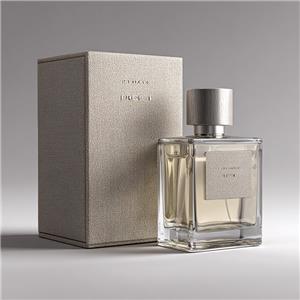
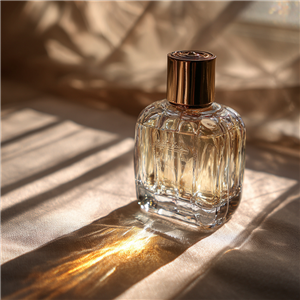
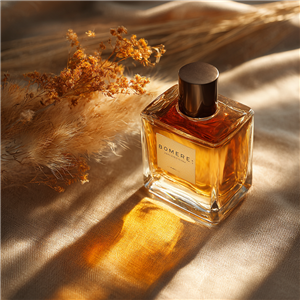
Why glass? Simple. It’s inert. Alcohol won’t eat it. Oils won’t stain it. And unlike plastic, it doesn’t leach anything back into your fragrance. That’s why a clear glass perfume bottle is still the gold standard for luxury. You see the liquid. The color. The clarity. It tells the buyer exactly what they’re getting before they ever press the nozzle.
The Rise of the Refillable Spray Bottle
Refillables aren’t a fad. They’re a shift. Customers want less waste, and brands want loyalty. A refillable spray bottle lets them buy once and keep refilling forever. That means fewer returns, stronger emotional connection, and better margins long term.
Technical Advantages and Material Science
Let’s talk materials. Not the fluffy marketing stuff — the actual specs.
Crystal Clarity and Chemical Stability
High-quality flint glass isn’t just pretty. It’s stable. We’ve tested cheaper soda-lime glass against high-boron variants, and the difference is measurable. Boron glass resists chemical creep. No leaching. No weird pH shifts. Your fragrance smells the same on day one as it does six months later.
Precision Spray Mechanisms
Sprayers fail more often than you’d think. Drips. Clogs. Weak mist. All killers of brand trust. We’ve inspected dozens of suppliers and the winners share one trait: tight machining tolerances. Pump actuators that move smoothly, gaskets that don’t deform, and nozzles that atomize instead of dribbling.
Structural Integrity and Weight
Heavy equals luxury. But heavy also equals fragile if you don’t reinforce it. We’ve seen bottles with thick bases shatter because the sidewalls were too thin. Balance matters. Reinforced glass keeps the center of gravity low and makes the bottle survive shipping without turning into shards.
Scenarios: Matching Bottle Design to Brand Identity
Different brands need different bottles. Let’s break it down.
Scenario | Target Audience | Bottle Style | Key Feature |
|---|---|---|---|
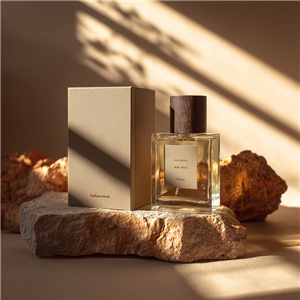
Luxury Niche House | Collectors, high spenders | Heavy crystal flacon | Deep base, custom Zamac or wood cap |
Indie Brand | Gen Z, Millennials | Minimalist geometry | Frosted or bold-color glass |
Travel Retailer | Frequent flyers | Compact 10–30 ml | Leak-proof, tough construction |
We’ve watched indie launches explode on Instagram purely because the bottle looked great in a flat lay. Meanwhile, travel-size lines succeed when durability beats design tricks. Know your audience. Match the build to the lifestyle.
Pain Points: Common Challenges in Sourcing Perfume Bottles
We’ve heard the horror stories. Here’s where things usually go wrong.
Incompatibility Between Bottle and Fragrance
Some oils react with low-grade glass. Colors shift. Scents sour. We’ve seen it happen three months post-fill. Always run compatibility tests. Neutrality is non-negotiable.
Leakage During Shipping
Leaks destroy trust instantly. Usually, it’s a crimping issue. Poor alignment. Weak seals. One bad shipment can torch your reputation. Pressure-test before you ship.
Inconsistent Decoration and Printing
Nothing says “cheap” like a crooked logo. We’ve rejected entire runs over misaligned silk screens. Consistency wins. Lock in golden samples and enforce QC at every stage.
Selection Criteria: How to Choose the Right Partner and Product
For B2B buyers, picking a supplier is as important as picking the bottle.
Evaluating the Manufacturer
If you’re sourcing China glass perfume bottles, dig deep. Ask about OEM/ODM capacity. Push for technical knowledge. Check certifications. You want a partner who knows crimp standards cold. Someone who can troubleshoot sprayer fitment without blinking.
Key Technical Parameters to Specify
Don’t leave specs vague. Define capacity. Lock in neck finish — FEA 15 or FEA 20 are industry norms. Spell out decoration methods. Silk screen. Hot stamp. Frosting. Each has a price and a purpose.
Common Mistakes to Avoid
Even experienced buyers slip up. Here’s what to watch for.
Mistake 1: Ignoring Hand Feel
Renders lie. Physical feel decides repurchase. Too slippery? Awkward grip? Customers notice. Prototype early. Handle it like a buyer would.
Mistake 2: Overlooking Cap Compatibility
Caps shouldn’t rattle. Or feel hollow. Magnetic closures? Great choice. Feels premium. Screws up the unboxing? Dealbreaker.
Mistake 3: Choosing Price Over Quality
Cheap glass breaks. Cheap sprayers fail. Lowest bid often costs you more in returns. Invest in quality. Your margins will thank you later.
Conclusion
Perfume bottles aren’t just packaging. They’re brand equity you can hold in your hand. When you pair the right glass perfume bottle with a precise refillable spray bottle mechanism, you protect the fragrance, elevate the experience, and sidestep the rookie mistakes that sink launches.
The future’s leaning toward reuse, sustainability, and tactile luxury. That empty cologne bottle? It’s becoming a keepsake. And for B2B buyers, the winners will be those who treat sourcing like strategy, not just procurement.
FAQ: Sourcing and Technical Insights
Q1: What’s the difference between a perfume bottle and a cologne bottle?
Mostly marketing. Functionally, they’re often identical. Cologne bottles tend toward masculine, angular designs. Perfume bottles lean ornate.
Q2: Why is glass the top choice for luxury fragrance?
Inert. Impermeable. Visually stunning. Glass won’t mess with your formula. And it feels expensive, which matters.
Q3: What does “refillable” actually mean?
It means the customer keeps the outer bottle and tops up the fragrance. Could be a refill vial, wide opening, or in-store refill station. Sustainability meets brand retention.
Q4: What sizes are most common?
Thirty, fifty, one hundred milliliters. Thirty is booming thanks to travel convenience and lower entry pricing.
Q5: Can I fully customize shape and color?
Yes. OEM and ODM suppliers can mold unique shapes, apply custom colors, and decorate exactly to your spec.