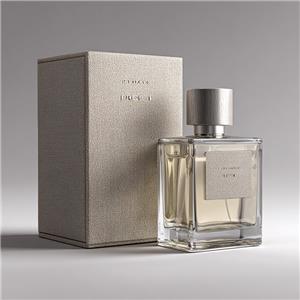
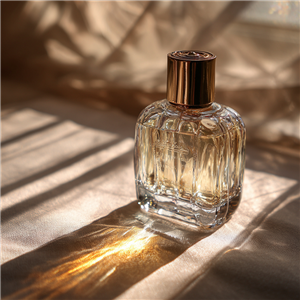
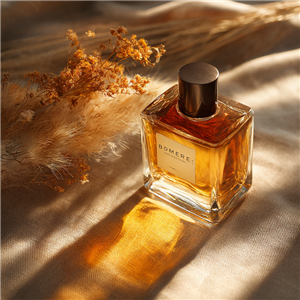
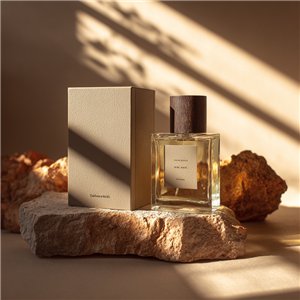
Perfume Bottle Finishes: How to Choose Coating, Hot Stamping or Frosting
Luxury Perfume Bottles represent the perfect fusion of artistry and functionality, elevating a fragrance from a simple scent to an unforgettable sensory experience. At Formence Glass, we specialize in creating premium glass containers that capture brand identity through advanced surface finishing techniques. This comprehensive guide explores coating, hot stamping, and frosting options that transform ordinary bottles into statement pieces. Whether you are developing a new fragrance line or refining an existing collection, understanding these finishes helps brands achieve the tactile luxury and visual impact modern consumers demand. Perfume Packaging plays a decisive role in shelf appeal, perceived value, and long-term brand loyalty, making informed surface choices essential for competitive success.
Coating Techniques for Exceptional Durability and Style
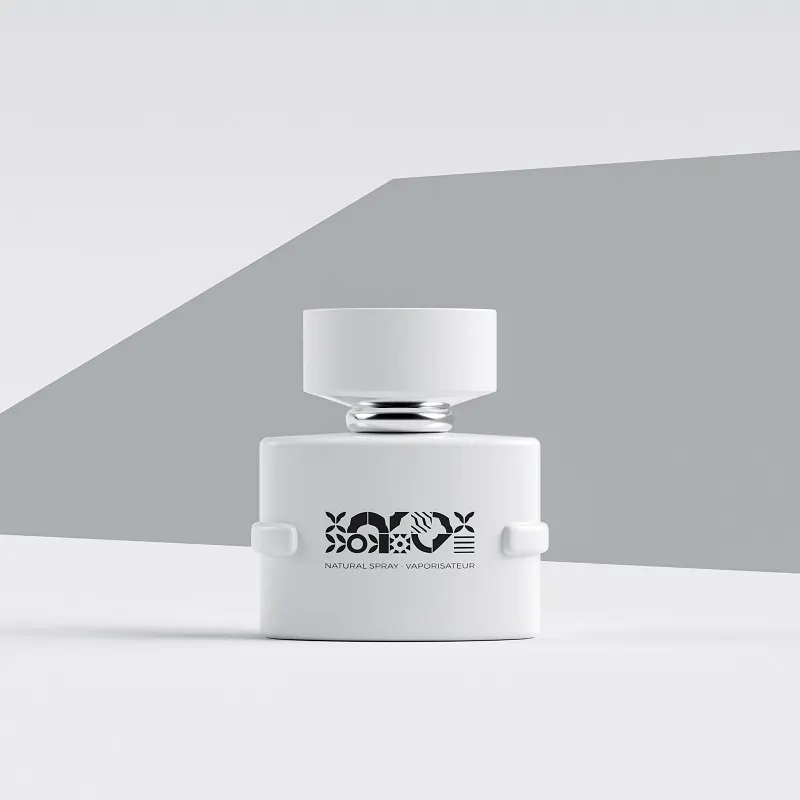
Coating remains one of the most versatile surface finishing methods for Luxury Perfume Bottles. A well-executed coating can shift the entire mood of a fragrance—soft pastel coatings evoke calm elegance, while deep metallic finishes suggest intensity and sophistication. Because Perfume Packaging must withstand handling, shipping, and display, high-quality coatings also improve abrasion resistance and product longevity without compromising the delicate aesthetics that define premium fragrances.
Hot Stamping: Precision Elegance and Brand Distinction
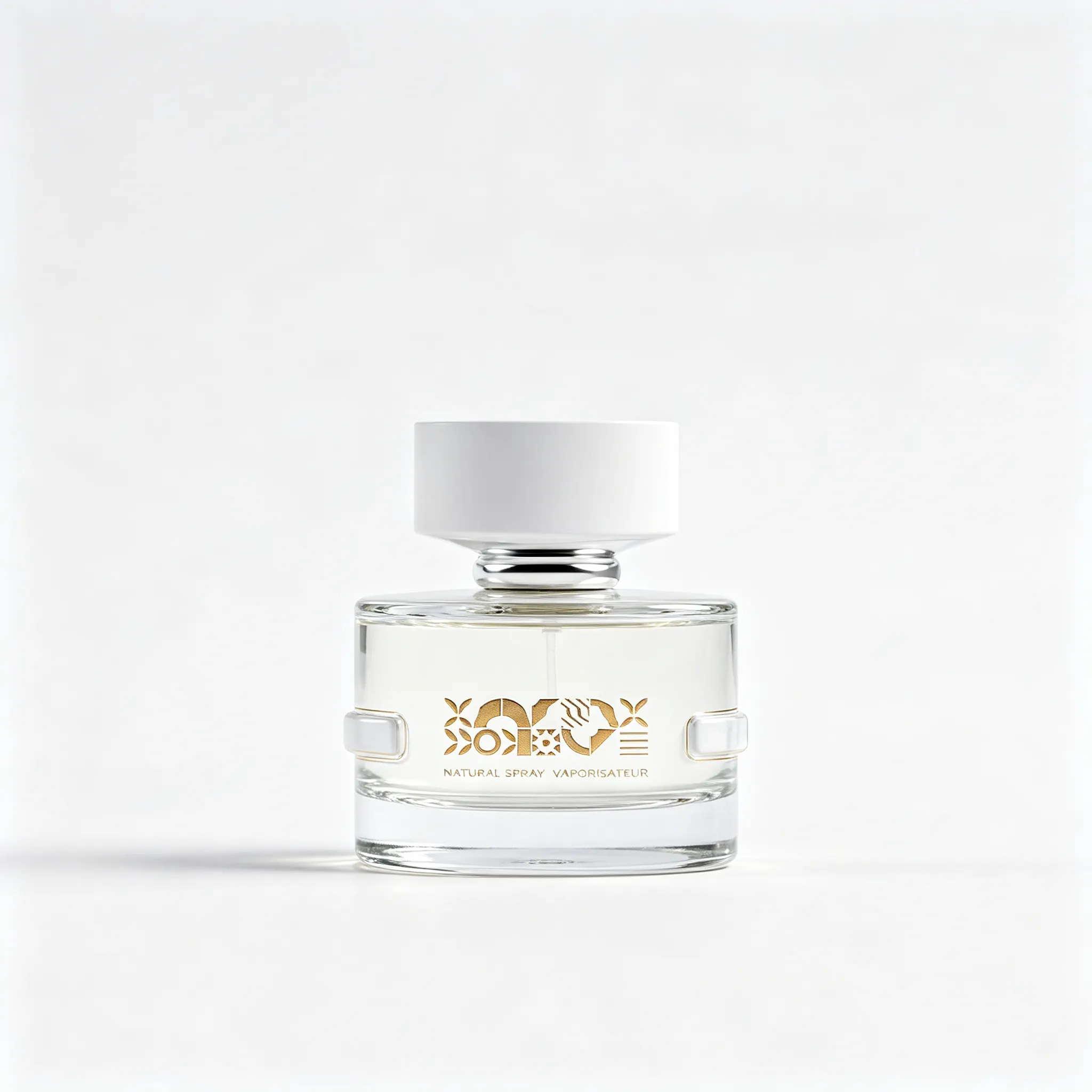
Hot stamping delivers crisp metallic or pigmented accents that catch light and draw the eye. This technique transfers foil designs—logos, patterns, or decorative borders—onto the glass surface under controlled heat and pressure. For Luxury Perfume Bottles, gold, rose gold, silver, and holographic foils remain especially popular because they communicate exclusivity instantly. Every hot-stamping detail is verified against the agreed registration position and within the specified tolerances.
Frosting Finishes for Soft Texture and Refined Opacity
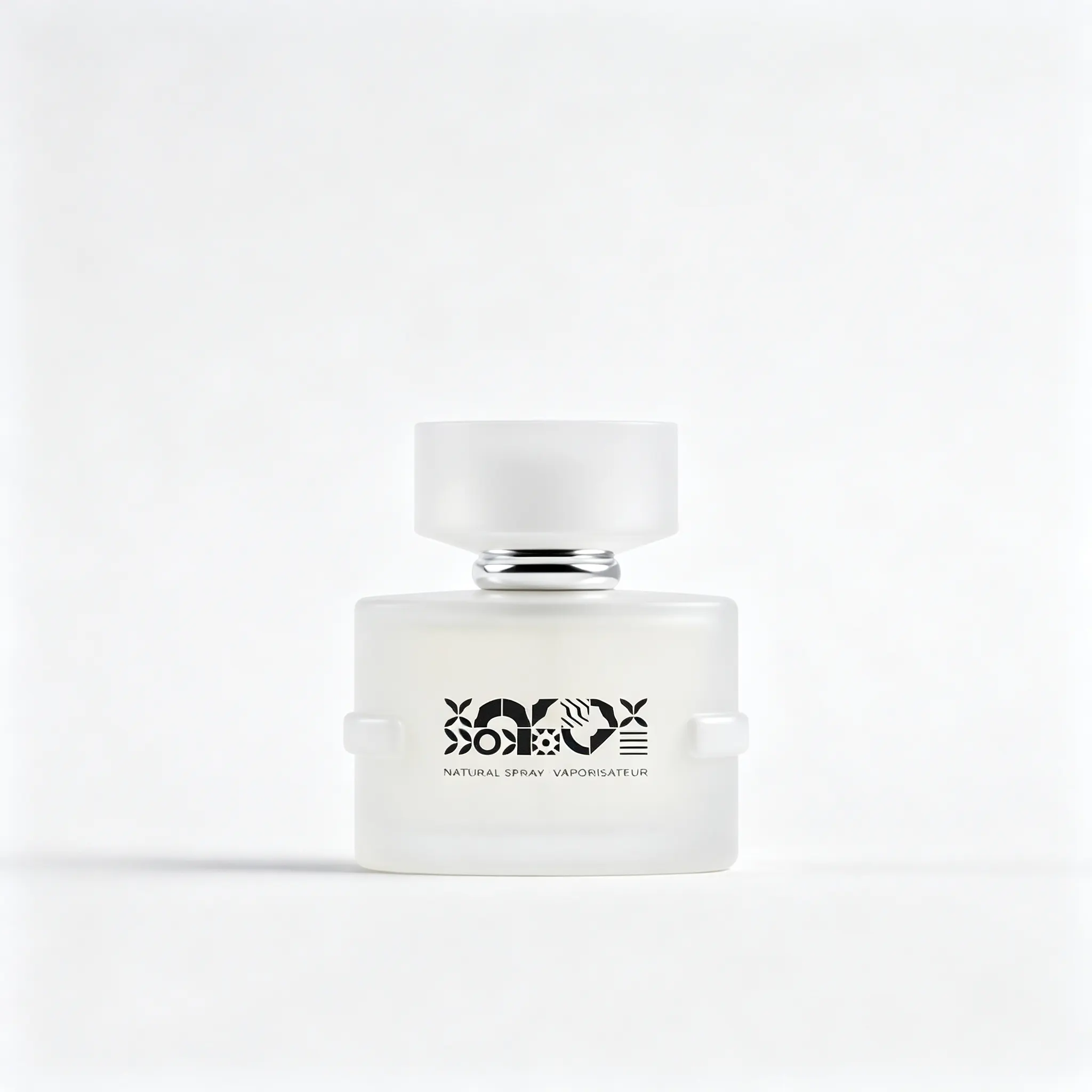
Frosting creates a delicate, translucent surface that diffuses light and softens the overall appearance of the bottle. Formence Glass offers customizable frosting levels and can combine the technique with selective clear windows or printed graphics for layered visual interest. Frosted surfaces also improve grip, an important practical advantage for larger or heavier bottles. In the competitive world of Perfume Packaging, frosting helps products stand out through understated elegance rather than overt shine, appealing to consumers who value refined minimalism.
Decoration Process Comparison: Coating, Hot Stamping, and Frosting on Perfume Bottles
| Process | Core Function | Best Use | Key Characteristics |
|---|---|---|---|
| Coating (spray/painting) | Whole-bottle coloring | Full-body solid color, gradient effects, metallic or pearlescent finish, opaque coverage | Uniform base coat over the entire glass surface; supports gloss, matte, or semi-gloss finish |
| Hot Stamping (foil stamping) | Local marking / branding | Logo, brand name, fine text, small emblem on a specific area | Transfers a metallic or colored foil onto a defined zone via heat + pressure; crisp edges, high-definition detail |
| Frosting (acid etch / sandblasting) | Matte / frosted finish | Full or partial matte surface, soft diffuse look, anti-slip tactile feel | Creates a micro-rough, translucent or opaque matte surface; reduces gloss and fingerprint visibility |
How the three processes serve different purposes
Coating is selected when the design demands a solid, saturated, or decorative color over the entire bottle — e.g., a fully painted black, gold, or pearl body. It defines the overall look and can serve as the base layer that other processes sit on.
Hot Stamping is chosen for precise, localized brand elements — a logo, product name, or fine text — where legibility, edge sharpness, and high-contrast metallic effect matter. It does not recolor the bottle; it marks a specific zone.
Frosting is used to create a matte, frosted visual and tactile effect — softening the light, hiding fingerprints and scratches, and adding a premium, understated feel. It can cover the whole bottle or be combined with gloss areas for contrast.
Influence of bottle shape, curved surfaces, textures, and fine text on solution confirmation
These factors materially affect which combination is feasible and must be reviewed during the sample confirmation stage:
Bottle shape: Complex 3D shapes (shoulder curves, concave/convex profiles, faceted bodies) make even coating coverage harder and hot stamping more difficult, because the stamping plate must conform to the contour. Flat or cylindrical bodies allow the widest process flexibility; deep curves may require tooling adjustments or restrict stamping area.
Curved surfaces: Hot stamping on a strong curve risks incomplete foil transfer, wrinkles, or edge lifting. Coating is more forgiving on curves, but may show thickness variation on sharp transitions. Frosting handles curves well but the matte density may vary on steep angles. On curved zones, the stamping plate and pressure must be re-verified on the sample.
Texture: A pre-frosted or textured surface reduces foil adhesion. If hot stamping must sit on a frosted/textured area, adhesion strength drops and must be verified by cross-cut and alcohol resistance tests. Smooth zones are preferred for stamping; rough or matte zones need a dedicated foil and parameter set.
Fine text: Very small or intricate lettering demands high foil resolution and stable heat/pressure; on a curved or textured surface, fine lines may break, bridge, or blur. The minimum legible text size and stroke width must be confirmed on the physical sample before tooling. If the text sits at a curvature transition, legibility is at higher risk and needs extra validation.
Cost & Lead-Time Factors for Coating, Hot Stamping, and Frosting on Perfume Bottles
MOQ reference
Coating MOQ 2000pcs;
Hot Stamping MOQ 1000pcs;
Frosting MOQ 2000pcs.
Key factors influencing cost & lead time
| Factor | How It Affects Cost | How It Affects Lead Time |
|---|---|---|
| Color count | Each additional color is an extra coating pass / formulation batch; more color options raise setup, material, and quality-control cost | More colors mean more mixing, sampling, and drying/curing cycles → longer schedule |
| Decoration area | Larger coated/frosted/stamped area consumes more material and requires more uniform coverage control; stamping area size directly drives foil consumption | Larger areas take more processing time and more QC inspection |
| Masking | Masking off zones (to protect un-decorated or functional surfaces) adds material and labor; the more complex the masked pattern, the higher the cost | Masking application and removal add manual handling time to the cycle |
| Process stacking | Combining two or three processes multiplies setup, tooling, handling, and rework risk; each added step increases unit cost | Each process has its own curing/drying, inspection, and transfer; stacking extends the total schedule and queue time |
Order quantity | Higher volume amortizes tooling, setup, and changeover cost per unit, lowering unit price; below MOQ may incur extra set-up charges | Larger runs generally improve efficiency, but schedule still depends on capacity and the number of stacked processes |
Cost and lead time are driven by color count, decoration area, masking, process stacking, and order quantity, and each factor compounds the others.
Why Partner with Formence Glass for Premium Results
Choosing the right finishing partner determines whether surface treatments enhance or undermine a fragrance launch. Formence Glass brings specialized expertise in glass Perfume Packaging, advanced finishing equipment, and rigorous quality systems. Our team advises on material compatibility, regulatory compliance, and cost-effective production methods so brands receive consistent results from prototype to full run. From concept development through final inspection, we focus on delivering Luxury Perfume Bottles that perform as beautifully as they look. Clients benefit from transparent communication, flexible minimums, and a genuine commitment to elevating every project.
In conclusion, surface finishing options such as coating, hot stamping, and frosting give brands powerful tools to differentiate Luxury Perfume Bottles in a crowded marketplace. When these techniques are applied with technical precision and creative vision, Perfume Packaging becomes an extension of the fragrance itself—inviting touch, capturing attention, and reinforcing brand value long after the bottle leaves the shelf. Formence Glass stands ready to help fragrance houses transform design concepts into finished pieces that embody true luxury.
Perfume Bottle FAQs:
1. Can hot stamping and frosting be combined on the same bottle without quality issues?
Yes — hot stamping and frosting can be combined on the same glass bottle, but the result is not guaranteed by default. It depends on process sequencing, surface state, and ink/size chemistry, and therefore must be validated through a production sample before mass production is approved. Treat the sample run as a mandatory gate, not an option.
2. What is the real MOQ, and can we start smaller?
Stock bottle MOQ: 1,000 pcs;
Design perfume bottle: 10000pcs.