Are perfume bottles airtight?
Are perfume bottles airtight?
In the competitive fragrance industry, a perfume bottle stands as the primary guardian of a scent's purity and longevity, designed with precision to minimize air exposure and prevent degradation. This comprehensive summary examines whether perfume bottles are truly airtight, highlighting how glass impermeability, specialized caps, and sealing technologies work together to block oxygen ingress, reduce evaporation, and combat oxidation that could alter delicate fragrance notes. By understanding these features, brands and consumers alike can appreciate why a well-engineered perfume bottle preserves aroma integrity from production through extended use, often complemented by protective outer packaging for added security.
Understanding Airtight Design in Perfume Bottles
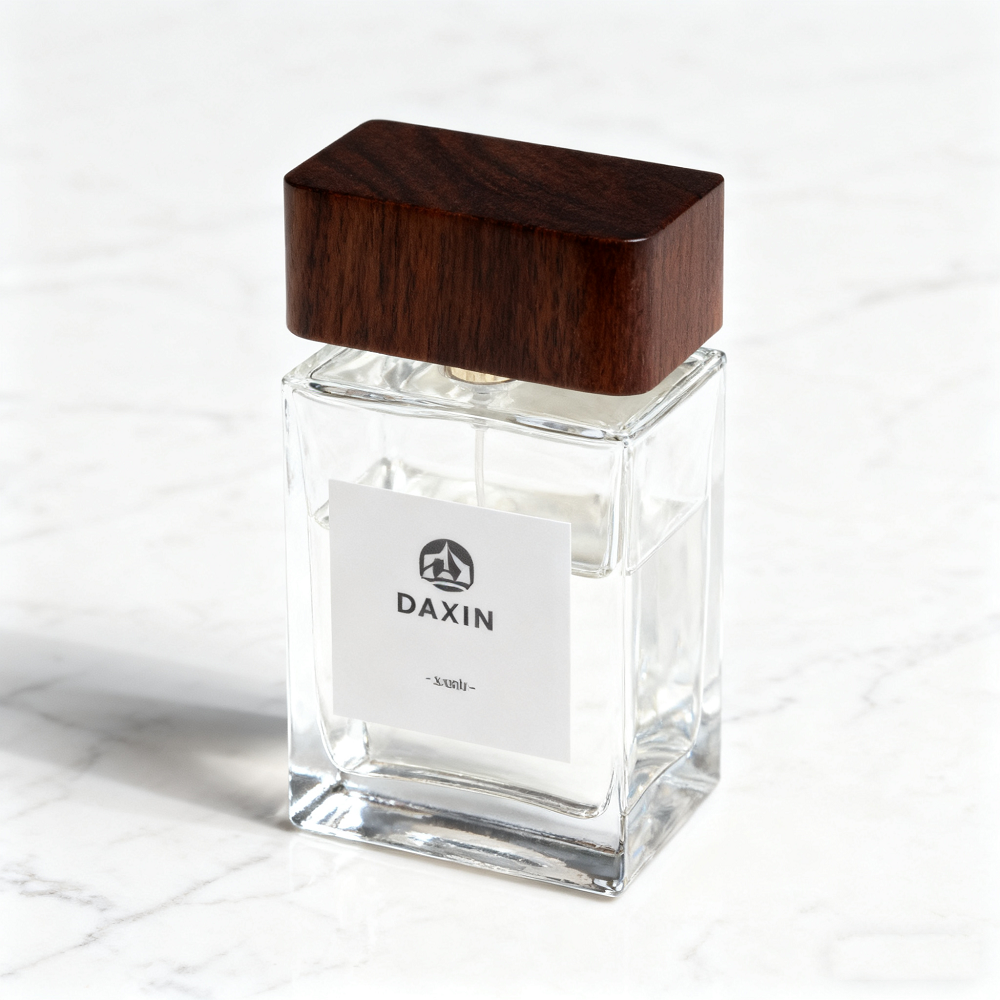
A perfume bottle achieves its airtight properties through a combination of material science and mechanical engineering. High-quality glass remains the material of choice for most perfume bottles because it is non-porous and impermeable to gases, effectively preventing air from seeping through the container walls. The real airtight magic happens at the closure: crimped pumps, screw caps with internal gaskets, or precision-fit stoppers create a reliable seal that limits oxygen contact. These designs ensure that once filled and sealed, a perfume bottle maintains a near-vacuum environment for the fragrance, significantly slowing down chemical changes. Manufacturers prioritize these elements to deliver consistent scent performance, making the perfume bottle a reliable vessel that protects volatile compounds over months or even years.
Why Airtight Seals Matter for Fragrance Preservation
The primary reason perfume bottles need to be airtight revolves around preventing oxidation and evaporation. When air enters a perfume bottle, it triggers oxidation reactions that break down essential oils and top notes, leading to a flattened or sour scent profile. An effective airtight perfume bottle minimizes this risk by restricting airflow, especially important in spray mechanisms where the pump only allows minimal air exchange during use. Proper sealing also curbs alcohol evaporation, which is a common culprit in scent weakening. For brands, investing in superior airtight perfume bottle technology translates to higher customer satisfaction and fewer returns due to degraded products, underscoring the value of quality closures in maintaining fragrance freshness.
Common Types of Airtight Closures for Perfume Bottles
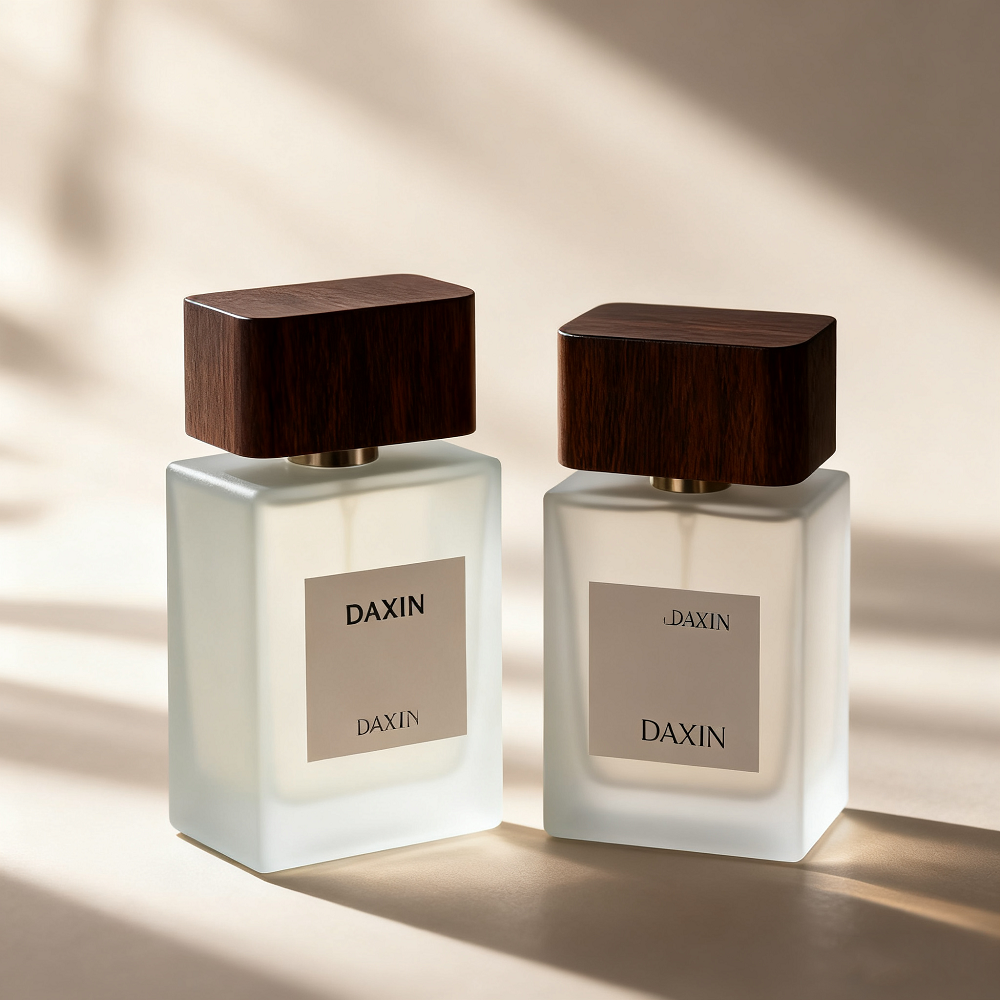
Perfume bottles come in diverse styles, each incorporating specific airtight features tailored to their application. Fine mist atomizer perfume bottles use spring-loaded pumps with silicone or rubber valves that snap shut immediately after spraying, creating an effective barrier against air re-entry. Rollerball perfume bottles rely on tight ball fittings and secure caps to limit exposure, ideal for portable formats. Traditional splash or stopper perfume bottles employ ground-glass joints or modern O-ring enhancements for a snug, airtight fit that rivals industrial standards. Regardless of type, these closures ensure the perfume bottle performs reliably, preserving the intricate balance of notes that define the fragrance.
Testing and Maintaining Airtight Integrity in Perfume Bottles
Verifying that a perfume bottle remains airtight is straightforward and essential for quality control. A simple water test—filling the perfume bottle, sealing it, and inverting it to check for drips—quickly reveals seal effectiveness. For ongoing maintenance, always close the perfume bottle tightly after use and store it away from extreme temperatures or direct sunlight, which can degrade seals over time. Professional manufacturers conduct pressure and vacuum tests to guarantee airtight performance before shipment. By prioritizing these checks, brands ensure every perfume bottle delivers the promised experience, extending shelf life and enhancing overall product reliability.
Advantages of Airtight Perfume Bottles for Brands and Consumers
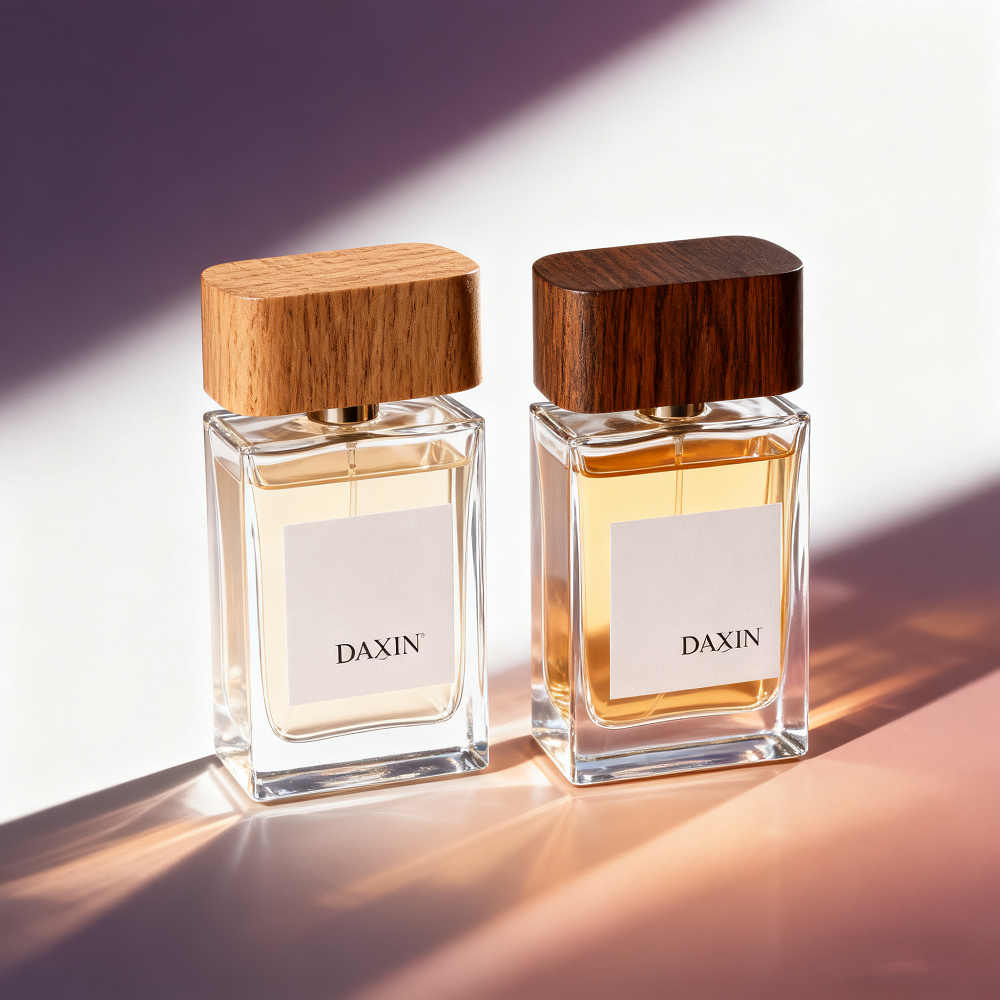
Choosing airtight perfume bottles delivers clear benefits across the supply chain. For consumers, an airtight perfume bottle means longer-lasting scents that stay true to their original character, offering better value and enjoyment. Brands gain from reduced product spoilage, fewer complaints about off-notes, and stronger market positioning as premium, reliable options. Environmentally, airtight perfume bottles contribute to less waste by minimizing premature degradation. When paired with thoughtful secondary packaging, these perfume bottles not only protect the fragrance but also elevate unboxing experiences, driving brand loyalty and positive word-of-mouth in a discerning industry.
In conclusion, perfume bottles are engineered to be highly airtight, serving as essential barriers against air, light, and environmental factors that threaten fragrance quality. This thoughtful design, from impermeable glass to precision seals, ensures scents remain vibrant and authentic throughout their lifecycle. At Perfume Packaging Pro, we provide innovative perfume bottle solutions and complementary packaging to help your brand deliver exceptional, long-lasting fragrances that captivate customers and stand the test of time.
FAQs:
1. Are all commercial perfume bottles completely airtight?
Most high-quality perfume bottles feature effective airtight seals via pumps or caps, though minor air exposure occurs during use; proper closure after each spray maintains optimal integrity.
2. How does air affect the scent in a perfume bottle?
Air exposure in a perfume bottle causes oxidation, which can dull top notes and alter the fragrance over time, making airtight design crucial for preservation.
3. Can I improve the airtightness of my existing perfume bottle?
While you can't alter the perfume bottle's built-in seal, always tighten the cap fully after use and store it in a cool, dark place to minimize any potential air ingress.