How to Choose a Design Perfume Bottle
What Is a Design Perfume Bottle?
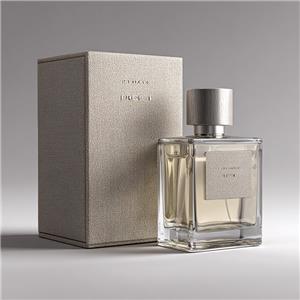
A Design Perfume Bottle is a fragrance bottle selected or developed around brand style, capacity, glass structure, pump system, cap design, decoration method, and final packaging. It can come from a stock mold, a modified stock design, or a private custom mold.
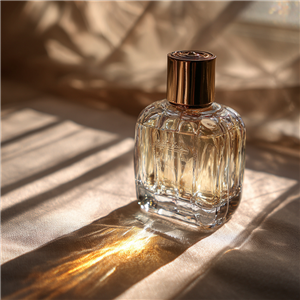
When buyers say “design,” they may mean the shape. A square bottle. A round bottle. A fluted bottle. A heavy-base bottle. An Arabic oud style bottle. A minimalist bottle for a clean fragrance brand.
But in real production, design also means:
Glass thickness
Base weight
Neck finish
Pump and collar fit
Cap clearance
Printing area
Coating durability
Label position
Box insert fit
MOQ and mold cost
The product category we reviewed includes many common perfume sizes, especially 30ml, 50ml, and 100ml. It also shows custom mold options, glass bottles with boxes, 15mm crimp neck designs, luxury caps, wooden caps, metal caps, acrylic caps, and different decorative finishes.
So yes, a Glass Perfume Cologne Bottle should look attractive. But it also has to run properly on the production line.
Why Bottle Design Matters More Than Buyers Think
Let’s be honest. Customers judge perfume packaging before they smell the fragrance.
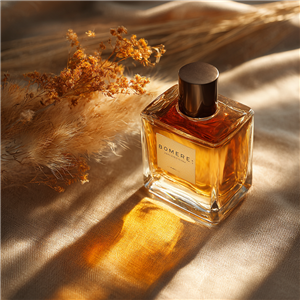
A bottle can make a scent feel clean, bold, vintage, expensive, natural, masculine, feminine, or niche. A heavy cap can make a cologne feel premium. A thin cap can make the same fragrance feel cheaper. A clear bottle can suggest freshness. A dark bottle can suggest oud, amber, tobacco, or evening wear.
Here’s the problem. Many buyers stop there.
They look at the bottle as an object, not as a working package. In factory projects, that gap matters. A dramatic bottle shape may tip on a conveyor. A thick base may look luxurious but raise freight cost. A curved label area may make sticker placement harder. A beautiful cap may fail a drop test. A tight box insert may scratch the coating.
We’ve learned to ask one question early: will this bottle still look good after filling, packing, shipping, and unpacking?
If the answer is no, the design is not finished.
Common Application Scenarios
Niche Fragrance Launches
Small fragrance brands often need an empty cologne bottle that feels premium without the cost of a new mold. A 30ml or 50ml stock bottle can work well if the brand uses custom logo printing, a special cap, or a well-designed box.
This is usually the smarter first step. Test the market first. Build the custom mold later.
Private Label Perfume
Private label buyers care about speed, stable quality, and easy branding. They often choose a stock Glass Perfume Bottle and add screen printing, hot stamping, labels, color coating, or a custom cap.
The goal is not always to reinvent the bottle. Sometimes the goal is to get a clean, reliable package into the market fast.
Oud and Luxury Fragrance Lines
We’ve noticed that oud and Middle East fragrance projects often prefer heavier bottles, gold details, darker colors, decorative collars, and more expressive caps. A 50ml or 100ml bottle with a strong cap and gift box can carry that luxury feeling well.
Small detail: the cap weight must still match the bottle. A top-heavy package feels awkward in hand.
Men’s Cologne
For men’s fragrance, buyers often ask for square, rectangular, black, grey, amber, or heavy-base bottles. A cologne bottle empty may look simple, but the hand feel matters a lot. If the bottle feels too light, the fragrance can feel less valuable.
Gift Sets and Retail Collections
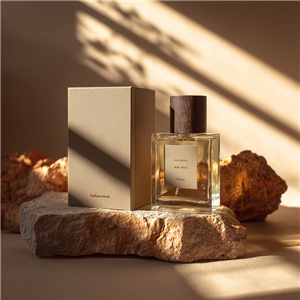
Gift sets create another layer of risk. The bottle, cap, inner tray, and carton must fit together. We’ve seen strong bottles look poor because the tray allowed movement during shipping. The cap rubbed against the insert. The coating took the damage.
Not dramatic. Just real.
Buyer Pain Points We See Often
The Bottle Looks Good but Fails Production
On a website, two bottles can look almost the same. On a filling line, they may behave completely differently. One stands straight. One wobbles. One works with a standard pump. One needs a special collar. One accepts printing cleanly. One shows coating defects around the shoulder.
This is why sample testing beats guessing.
The Cap Changes the Whole Product
A cap is not a small accessory. It changes the bottle’s value perception.
Zamac caps feel heavy and premium. Wooden caps feel warm and natural. Acrylic caps can look modern or crystal-like. Plastic caps keep weight and cost down. None of these choices is automatically better. The right one depends on the fragrance position and target price.
Buyers Forget the Neck Finish
This one causes trouble.
Many perfume brands focus on the bottle shape and ignore crimp compatibility. If the bottle uses a 15mm crimp neck, the pump, collar, crimping tool, and cap clearance all need to match. We’ve seen leakage appear only after long-distance shipping tests. At first glance, the bottle looked fine. The seal was the weak point.
Decoration Looks Good on One Sample, Then Fails in Bulk
Spray coating, matte finish, UV printing, hot stamping, and screen printing can all look excellent on one approved sample. Bulk production is the real test.
Curved surfaces can blur hot stamping. Deep colors can show dust. Matte coating can scratch. Labels can wrinkle if the “flat” panel is not truly flat. If the fragrance contains alcohol and the bottle gets handled often, coating adhesion becomes even more important.
MOQ Does Not Fit the Brand Stage
Custom molds can create strong brand identity, but they usually require higher MOQ, longer development time, and more upfront cost. New brands often ask the same practical question: “Can we get custom-looking packaging without a huge order?”
Often, yes. Start with a stock bottle and customize the decoration, cap, and box. That route keeps the project lighter.
Key Product Parameters Buyers Should Check
Here’s the checklist we would use before approving a bottle.
| Parameter | Why It Matters |
|---|---|
| Capacity | Common perfume sizes include 30ml, 50ml, and 100ml |
| Neck finish | Controls pump, collar, crimping, and leakage risk |
| Bottle weight | Affects premium feel, freight cost, and breakage risk |
| Glass clarity | Matters a lot for transparent fragrance packaging |
| Wall thickness | Impacts strength, balance, and consistency |
| Base thickness | Creates luxury feel but adds weight |
| Decoration area | Affects logo, label, printing, and metal plate options |
| Cap fit | Changes appearance, hand feel, and transport stability |
| Box fit | Prevents bottle movement and cap scratches |
| MOQ | Helps decide between stock mold and custom mold |
Do not approve a Glass Perfume Bottle from photos alone. Hold it. Fill it. Cap it. Put it in the box. Shake the carton. Then talk about approval.
Stock Bottle or Custom Mold?
Stock Design Perfume Bottle
A stock bottle works well when speed and cost control matter. You can still make it feel custom with logo printing, color coating, hot stamping, labels, or a better cap.
Best for:
New fragrance brands
Market testing
Private label projects
Faster launches
Lower development risk
Custom Mold Perfume Bottle
A custom mold gives the brand a stronger identity. It can create a signature shape, custom base, unique shoulder, special panel, or protected design language.
Best for:
Established fragrance brands
Hero product launches
Luxury collections
High-volume orders
Long-term brand building
Here’s the thing. A private mold is not only a design decision. It is an engineering project. The bottle must pass mold feasibility, glass flow review, decoration review, filling review, packing review, and cost review. A beautiful sketch does not always become a stable bottle.
Engineering Experience: What Many Buyers Overlook
Glass Distribution
Thicker glass does not always mean better glass. Even glass distribution matters more. Uneven thickness can create stress, distortion, unstable weight, and higher breakage risk.
Shoulder and Corner Design
Sharp corners look elegant, especially on square perfume bottles. They can also make glass flow harder. Heavy square bottles need careful mold work and annealing control.
Coating Adhesion
We’ve seen coating issues appear after UV exposure, alcohol contact, scratch testing, and shipping friction. If the bottle uses matte or dark coating, test it harder.
Label Panel Geometry
A label panel may look flat in a rendering but curve slightly in real glass. That small curve can affect label adhesion, foil stamping, and metal plate placement.
Crimp and Pump Clearance
A Perfume Cologne Bottle with a crimp neck needs enough space for the pump, collar, actuator, and cap. If the cap touches the pump or collar, the package may rattle or sit unevenly.
How Factory Capability Changes the Result
A strong supplier does more than sell bottles. It helps buyers avoid problems before mass production.
The factory information we studied shows 36 years of glass bottle manufacturing experience, a 20,000 square meter facility, more than 300 employees, 20+ designers, 15 engineers, 30+ technicians, and more than 200 production staff. It also mentions annual glass liquid output above 32,400 tons and customers in more than 50 countries.
Those numbers matter because perfume packaging needs teamwork. Designers shape the idea. Engineers check the mold. Technicians control decoration. Production staff keep repeatability stable. QC catches what everyone else missed.
For OEM/ODM buyers, this kind of system matters more than a pretty catalog.
How to Choose the Right Glass Perfume Bottle
Step 1: Define the Fragrance Positioning
Is the fragrance niche, luxury, natural, youthful, masculine, feminine, Arabic oud, travel retail, or mass market? The bottle should match that position.
Step 2: Choose the Capacity
30ml works well for discovery sets and travel-friendly pricing. 50ml fits many core launches. 100ml works for full-size fragrance, men’s cologne, and gift sets.
Step 3: Confirm the Closure System
Check the pump, collar, cap, and neck finish early. A beautiful Glass Perfume Bottle loses value if the sprayer leaks or the cap feels unstable.
Step 4: Decide Stock or Custom Mold
Use stock bottles when you need speed. Use custom mold development when brand identity and long-term volume justify the investment.
Step 5: Test Decoration
Ask for real samples with your logo, coating, hot stamping, label, or screen printing. Do not approve decoration from flat artwork only.
Step 6: Test Packing
Pack the filled bottle in the final box. Run basic vibration, drop, and leakage checks. Overseas shipping can expose weaknesses that showroom samples never reveal.
OEM and ODM Advice for B2B Buyers
If you already have a drawing, ask for OEM review. The factory should check mold feasibility, bottle weight, glass thickness, neck finish, and decoration area.
If you only have a brand mood board, ask for ODM support. A good design team can suggest bottle shapes, caps, colors, and packaging structures based on your target market.
We’ve noticed one practical pattern: buyers who share more project details get better samples. Share target price, capacity, market, fragrance style, cap preference, decoration method, order quantity, and launch timeline. It saves everyone time.
Common Mistakes to Avoid
Choosing Only by Appearance
A bottle must look good and run well in production. Check filling, crimping, capping, labeling, and packing.
Ignoring Total Packaging Cost
The bottle price is only one part. Add cap cost, pump cost, decoration cost, box cost, freight, mold cost, and defect risk.
Forgetting the User Experience
Customers hold the bottle every day. Weight, grip, cap removal, spray direction, and visual balance all matter.
Testing Empty Bottles Only
A cologne bottle empty behaves differently after filling, capping, boxing, and shipping. Test the full package.
Ordering Custom Mold Too Early
Custom mold projects can build brand value, but they need volume and planning. If your formula or positioning may still change, start with stock bottles first.
FAQ
What is the best material for a Design Perfume Bottle?
Glass remains the preferred material for most perfume and cologne bottles because it offers clarity, chemical stability, premium weight, and strong decoration options.
What sizes are most common for Glass Perfume Bottle projects?
Most fragrance brands use 30ml, 50ml, and 100ml bottles. Smaller sizes work for samples and travel. Larger sizes work for full-size retail and gift sets.
Can I customize an empty cologne bottle with my logo?
Yes. Common options include screen printing, hot stamping, label application, spray coating, frosting, metal labels, and custom caps.
Is a stock bottle better than a custom mold bottle?
It depends on the project stage. Stock bottles reduce cost and lead time. Custom mold bottles give stronger brand identity and better exclusivity.
What should I test before bulk ordering Perfume Cologne Bottle packaging?
Test filling, pump fit, leakage, cap fit, coating adhesion, label placement, box fit, carton strength, and shipping vibration.
What cap materials can match a Glass Perfume Cologne Bottle?
Common choices include zamac caps, plastic caps, wooden caps, acrylic caps, and custom decorative caps. Each material changes cost, weight, and brand feel.
What causes leakage in perfume bottle projects?
Leakage often comes from poor pump fit, wrong neck finish, weak crimping, gasket mismatch, or packaging stress during transport.
How do I choose a supplier for a cologne bottle empty project?
Choose a supplier with design support, mold engineering, decoration capability, sample testing, quality inspection, and export experience.
Final Takeaway
A Design Perfume Bottle should not only look attractive. It should protect the fragrance, support production, survive shipping, and help the customer understand the brand before the first spray.
In real projects, the safest choice comes from balancing design, engineering, decoration, closure fit, packing, and buyer budget. A well-made Glass Perfume Bottle or Perfume Cologne Bottle can lift the perceived value of the fragrance. A poorly planned bottle can create leakage, delay, waste, and brand damage.