Perfume Bottle Lid Guide: Materials, Costs & Suppliers
Why the Lid Matters More Than People Expect
A perfume cap has one obvious job: seal the bottle so the fragrance doesn't evaporate or oxidize. But ask anyone who's launched a fragrance brand, and they'll tell you the real job is psychological. Customers touch the cap first. They judge weight, sound, and finish before they ever spray. A dense zinc alloy cap that clicks shut with some resistance reads as "expensive" almost instantly — it's the same reaction people have to a solid car door versus a tinny one. Brands that skip this detail often wonder why a good perfume doesn't sell like a luxury product. Usually, it's the cap giving away the budget.
The Lid Types Worth Knowing
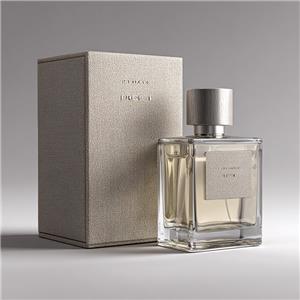
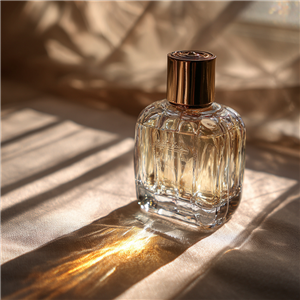
Zamac perfume caps are what most prestige and niche brands reach for. Cast from No.3 zinc alloy, they can be electroplated gold, silver, gunmetal, matte black — whatever finish the brand needs — and they support engraving, gemstone inlay, and magnetic closures. Heavier tooling cost, but the perceived value jump is significant.
Acrylic perfume lids trade some of that weight for clarity. PMMA molds easily into custom shapes and lets the bottle neck stay visible, which a lot of mid-tier and seasonal collections prefer when budget doesn't stretch to metal.
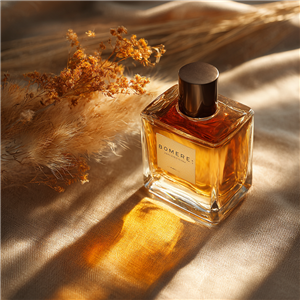
Plastic perfume caps are still the workhorse of the industry — injection molded, cheap per unit, perfectly fine for testers, travel sizes, and entry-level lines where margin matters more than theatrics.
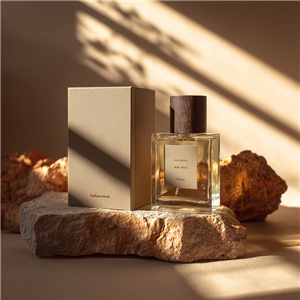
Wooden perfume lids have picked up traction with clean-beauty and sustainable brands. Oak, bamboo, shea wood — the material itself does the branding work, no logo needed.
Magnetic closures aren't a material, they're an upgrade you can add to almost any of the above. That little click when the lid seats into place gets mentioned in unboxing videos more than you'd think.
Neck Sizes: The Detail Everyone Forgets Until It's a Problem
FEA13, FEA15, FEA18, FEA20 — these are the standard perfume neck sizes, and mismatched tolerances here cause more shipment headaches than almost anything else in this business. A 0.1mm gap between the cap's inner diameter and the bottle neck can mean a loose fit or a slow leak that doesn't show up until the product's already on a truck. Before any tooling starts, we confirm neck diameter, crimp height, and the inner-cap material (usually PP or ABS) against a technical drawing. Skipping this step is the single most common mistake we see from first-time buyers.
What Actually Happens on the Production Floor
This is the part most buyers never see, and it's usually what separates a real manufacturer from a trading company reselling someone else's stock:
Die casting machines (88T to 200T) form the Zamac lid bodies
CNC lathes handle structural stoppers and candle-cap components that need tighter tolerances
Hand and automatic polishing lines prep the surface before plating
Electroplating, vacuum plating, painting, and electrophoresis lines apply the final finish
Injection molding covers the plastic and acrylic side
Every batch goes through a full inspection before packing, checked against a physical range board for acceptable color and defect thresholds
Daily capacity varies a lot by material — Zamac runs slower, around 3,000 pieces a day because of the plating steps, while wooden covers can hit 30,000 pieces a day. Anyone planning a launch date should ask for these numbers upfront, not after placing a deposit.
Where Each Type Actually Gets Used
Niche and luxury lines lean on Zamac, often with engraving or gemstone inlay on the flagship SKU
Clean-beauty brands use wood or recycled materials to make sustainability part of the packaging story, not just a claim on the box
Mass-market and mid-tier lines go with acrylic or plastic to protect margin
Sample and travel sizes almost always use lightweight plastic
Startups and private-label brands often start with acrylic or a semi-custom Zamac shape before investing in fully custom tooling once volume justifies it
What We See Go Wrong (Engineering Notes)
Three mistakes come up again and again. First, buyers pick a finish or shape before confirming the neck size fits their bottle — sometimes discovered only after the mold is cut. Second, they underestimate how long a fully custom Zamac tool takes to build and assume it's the same lead time as an off-the-shelf cap. Third, they skip a real seal test on the pre-production sample and find out about leakage after mass production has already shipped. A quick mold feasibility check before committing budget solves most of this, and it costs almost nothing compared to a reworked order.
Why Buyers Actually Choose One Supplier Over Another
Price matters, but it's rarely the deciding factor once a buyer has been burned once. What actually builds trust: real certifications (ISO9001, SMETA, or a documented supplier responsibility audit), honest production numbers instead of vague promises, and a supplier willing to hand over technical drawings and real factory photos instead of stock catalog shots. The lid ends up being one of the clearest signals a brand sends about how seriously it takes the rest of the product — most buyers know this even if they've never said it out loud.
FAQ
What's the real difference between a Zamac cap and a plastic cap?Zamac is die-cast zinc alloy — heavier, cold to the touch, plateable, and able to hold engraving or gemstone detail. Plastic is injection molded, lighter, and much cheaper per unit. Pick based on where the SKU sits in your line, not just budget.
How do I figure out my bottle's neck size?Check it against FEA13, FEA15, FEA18, or FEA20 — these are the standard sizes in the industry. Get a technical drawing confirmed before tooling starts; guessing here is how leaks happen.
Can I get my logo or a custom shape on the cap?Yes, across Zamac, acrylic, and wood. Engraving, embossing, custom colors, and gemstone accents are all standard finishing options, not special requests.
What MOQ should I expect for custom caps?Depends heavily on material. Semi-custom acrylic or plastic caps can start smaller. Fully custom Zamac molds usually need a higher volume commitment to make the tooling cost worthwhile.
Do magnetic caps cost a lot more?A bit, because of the embedded magnet, but most brands find the unboxing upgrade worth it for a flagship SKU rather than every item in the line.
How long until I get samples versus full production?Stock samples ship fast, usually just shipping cost. Anything needing new tooling takes longer and sometimes involves a sampling fee, which is generally refundable against the mass production order.
Will a wooden lid hold up against the alcohol in perfume?The wood itself never touches the liquid. There's always a sealed inner liner or insert — plastic or metal — doing that job, so the wood stays purely aesthetic on the outside.
Final Thoughts
The lid isn't a finishing touch you tack on after the bottle's designed — it's a manufacturing and branding decision that shapes whether a customer trusts the product before they've smelled it. Whether that means a heavyweight Zamac cap for a flagship launch, an acrylic lid for something lighter and more modern, or a wooden lid for a brand built on sustainability, the fundamentals stay the same: get the neck size right, know your supplier's actual production capacity, and don't skip the sample test. Get those three things right, and the cap stops being packaging — it becomes the first reason someone believes your fragrance is worth remembering.