Perfume Packaging Box: What Actually Works in B2B
Where Packaging Boxes Matter More Than Expected
For new or growing fragrance brands
At the beginning, many brands don’t invest heavily in bottle molds. That’s normal.
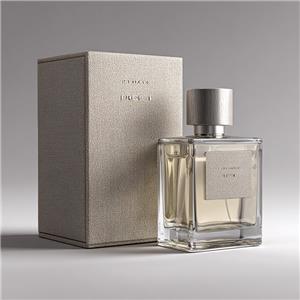
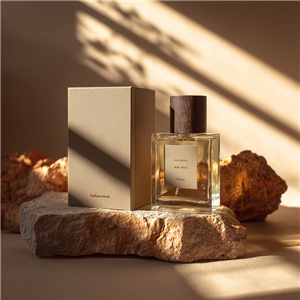
Instead, they rely on packaging to create differentiation. A carefully designed Perfume Packaging Box can make a standard bottle feel more premium than it actually is.
In some cases, the box does more branding work than the product inside.
For wholesale and distribution
Things become more practical here.
A wholesale perfume bottle box needs to:
survive stacking and transport
maintain shape over time
keep products secure inside
If the box fails structurally, it doesn’t matter how good it looks.
For OEM and large-volume orders
At scale, small issues become real costs.
Buyers start focusing on:
material consistency
production stability
packing efficiency
Even a handmade perfume box—which sounds more “artistic”—needs to meet technical requirements when produced in quantity.
Problems Buyers Usually Run Into
“It looks good, but it doesn’t hold up”
This is probably the most common issue.
A box might:
look premium in samples
feel solid at first
But under real conditions:
corners bend
structure weakens
inserts fail to hold the bottle
This usually comes down to material choice and internal structure.
Too much customization, too early
It’s easy to get excited about custom packaging.
But in practice:
every extra detail adds cost
lead times get longer
production becomes harder to control
Many buyers scale back after the first production run.
Inconsistent finishing
Surface effects like foil stamping or embossing can vary.
You might see:
slight color differences
uneven textures
alignment issues
These are small details, but they’re noticeable—especially in premium products.
Packaging not matching logistics
Sometimes the design works visually but not operationally.
Examples:
boxes too large for shipping cartons
structures that slow down packing
fragile elements that increase breakage
This is where design and logistics need to meet.
What Makes a Packaging Box “Good” in Practice
Structure first, then appearance
A solid Perfume Packaging Box usually has:
a stable outer shell
a properly fitted insert
balanced proportions
If the structure isn’t right, no amount of finishing can fix it.
Material choice (more important than it seems)
Not all paperboard behaves the same.
Common options include:
standard cardboard → economical, flexible
rigid board → stronger, more premium feel
specialty paper → used for surface effect
A handmade perfume box typically uses thicker, denser materials, which explains the higher cost.
Surface finishing (where branding shows up)
This is the part people notice first.
A customized packaging box can be transformed by:
matte or soft-touch lamination
foil stamping
embossing
But these processes also require good control during production.
Internal support
This is often overlooked.
Without proper inserts:
bottles move during transport
risk of damage increases
Options include foam, molded pulp, or folded cardboard structures.
Assembly and packing method
Some boxes are shipped flat, others pre-assembled.
flat-packed → saves space, reduces shipping cost
pre-assembled → better presentation, faster packing
The choice depends on your operation.
How Buyers Usually Make the Decision
Start with the product, not the box
The box should fit the product—not the other way around.
Consider:
bottle size
weight
positioning
This defines what kind of Perfume Packaging Box you actually need.
Think about the sales channel
Retail display and bulk distribution have different requirements.
A box that works in a boutique store may not work for warehouse distribution.
Keep customization practical
Instead of redesigning everything, many buyers:
adjust colors
change finishing
refine logo placement
This keeps things manageable.
Always test in real conditions
Samples should be tested for:
pressure resistance
drop impact
long-distance transport
Not just visual inspection.
Parameter Suggestions
Material thickness
thinner board → cost-saving
thicker board → better protection and feel
Box size
Should be close to the bottle dimensions to reduce movement.
Finishing options
matte → subtle, modern
glossy → brighter, more traditional
metallic → premium positioning
Insert types
foam → strong protection
cardboard → cost-effective
molded pulp → more sustainable option
Mistakes That Happen Often
Choosing based only on appearance
Looks don’t guarantee performance.
Ignoring logistics
Packaging should match shipping conditions.
Overcomplicating design
Complex structures increase risk and cost.
Skipping consistency checks
Batch variation can affect brand image.
Quick Buyer Questions
Does packaging really influence sales?
Yes. It affects first impressions and perceived value.
Is a handmade perfume box necessary?
Only for certain positioning. Not every product needs it.
Can I reduce cost without lowering quality?
Often yes—by optimizing structure instead of removing features.
Is full customization required?
Not always. Partial customization works well in many cases.
FAQ
1. What is a Perfume Packaging Box?
A Perfume Packaging Box is the outer packaging used to protect and present fragrance products.
2. What is a wholesale perfume bottle box?
It refers to packaging produced in bulk for distribution and resale.
3. What is a customized packaging box?
A packaging solution tailored in size, design, or finishing to match branding.
4. What is a handmade perfume box?
A more premium packaging option, often assembled with higher-end materials and processes.
5. How do I choose the right box?
Focus on structure, material, and real-world performance—not just design.
Conclusion
A Perfume Packaging Box doesn’t usually get as much attention as the bottle, but in real projects, it plays a critical role.