Top Perfume Bottle Design Trends You Need
Introduction
Let’s keep this practical.
Most buyers are not searching for a Perfume Bottle because they simply want “some glass.” They are searching because they need packaging that can support a real fragrance business.
A brand owner wants the bottle to look premium.
An importer wants stable supply and fewer complaints.
A wholesaler wants a style that can sell across different customer groups.
An OEM buyer wants custom flexibility without creating production headaches.
A private-label customer wants something that looks ready for market without spending too much time on mold development.
Different buyers. Same pressure.
The bottle must work.
We have noticed that many perfume packaging problems do not appear during the first sample review. Samples usually look nice. Suppliers know how to prepare them. The lighting is good. The finish looks clean. The cap sits neatly.
Then the buyer moves into real production.
That is when the small issues show up.
The sprayer does not feel the same across batches.
The coating scratches too easily.
The cap feels loose.
The Glass Perfume Bottle looks elegant, but the carton does not protect it well enough during sea freight.
The Refillable Spray Bottle sounds great for sustainability, but the refill structure feels awkward in real customer use.
That is the gap between a nice-looking bottle and a reliable packaging solution.
This article looks at perfume bottles from the way B2B buyers actually make decisions: market use, pain points, technical checks, supplier capability, and common sourcing mistakes.
No fluff.
Just the things that matter when the order becomes real.
A Perfume Bottle Is Not Just Packaging
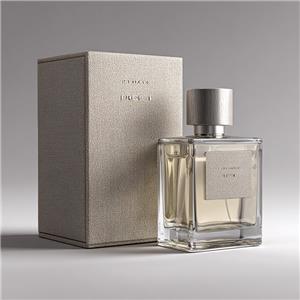
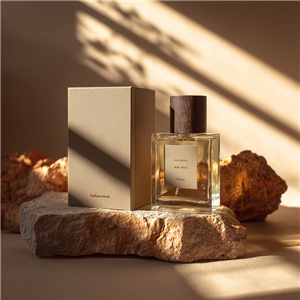
A Perfume Bottle is the primary container for fragrance. Most designs use glass, then pair the bottle with a sprayer, cap, collar, and sometimes an outer box.
That is the simple definition.
But in real business, the bottle does much more.
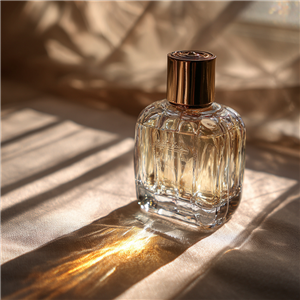
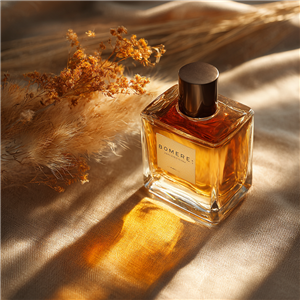
A Clear Glass Perfume Bottle can show the fragrance color clearly. That works well for brands using pale gold, amber, pink, light green, or crystal-clear formulas. A colored bottle can create stronger shelf identity. A vintage-style Empty Cologne Bottle can support a heritage story. A Refillable Spray Bottle can help a brand talk about sustainability and long-term customer use.
The bottle does not sit behind the product story.
It helps write the story.
We have seen fragrance brands spend months adjusting the logo, fragrance name, and advertising language, but spend only a few days choosing the bottle. That usually creates trouble later.
Because the bottle affects almost everything:
How the product photographs.
How heavy it feels in the hand.
How the sprayer performs.
How the fragrance survives shipping.
How the customer judges the price.
How easily the product fits into a gift box.
How confidently distributors can sell it.
A weak bottle makes a good fragrance feel cheaper.
A strong bottle makes a new fragrance feel more serious.
That is why packaging buyers should treat the bottle as a product system, not as decoration.
The Sample Stage Can Fool Buyers
Here’s the thing.
A sample can look perfect and still fail in bulk production.
We have seen this more times than we would like.
One perfume brand once approved a beautiful square bottle with a thick base and a metallic cap. In the sample room, it looked premium. The buyer loved the weight. The glass looked clear. The cap had a nice shine.
Then production testing started.
A few bottles showed unstable pump fitting. Some caps felt tighter than others. The coating on the cap passed basic handling, but after stronger friction testing, the surface began to mark too easily.
Was it a terrible bottle?
No.
But it was not ready for a luxury fragrance launch without adjustment.
That is where experienced buyers slow down.
They do not judge a Perfume Bottle from one perfect sample. They check whether the supplier can repeat that sample across 5,000, 10,000, or 50,000 pieces.
Big difference.
One sample is presentation.
Mass production is discipline.
A reliable Glass Perfume Bottle needs stable neck finish, balanced wall thickness, clean surface treatment, consistent capacity, and proper compatibility with the sprayer and cap.
If any one of those points drifts during production, the final package can feel inconsistent.
Luxury brands cannot afford that.
Why Brands Care So Much About Bottle Feel
Luxury packaging has a strange job.
It has to feel effortless, but it takes a lot of engineering to make it feel that way.
A customer does not say, “This bottle has good wall thickness distribution.”
They say, “This feels expensive.”
They do not say, “The cap tolerance is controlled well.”
They say, “The cap closes nicely.”
They do not say, “The pump actuator gives stable output.”
They say, “It sprays beautifully.”
That is the whole point.
Good packaging hides the work behind it.
For luxury perfume brands, the bottle usually needs three things at the same time:
Visual impact.
Hand feel.
Reliable function.
A Clear Glass Perfume Bottle can support a clean, elegant style. A heavy base can create a premium feeling. Frosted glass can make the bottle feel softer and more understated. A metallic cap can add weight and contrast. A vintage Empty Cologne Bottle can make the fragrance feel classic, mature, or collectible.
But if the pump spits, the luxury feeling disappears.
If the cap rattles, the luxury feeling disappears.
If the coating chips, the luxury feeling disappears.
Small flaws feel bigger on premium products.
That is why B2B buyers should connect design choices with real performance checks.
Pretty is not enough.
Pretty has to work.
Where Perfume Bottle Problems Usually Begin
Most perfume bottle problems start quietly.
A buyer chooses a beautiful shape but does not test filling-line handling.
A brand asks for a complicated coating but does not check adhesion under UV exposure.
A supplier offers a low price but uses inconsistent accessories.
A pump and bottle come from different suppliers, but nobody tests the final match carefully enough.
At first, everything seems fine.
Then the order ships.
A few cartons arrive with fragrance smell.
Some bottles leak near the crimp.
A coating starts to peel after retail display.
A cap feels loose after assembly.
Distributors complain.
The brand loses time.
Nobody enjoys that conversation.
We have noticed several common pain points in Perfume Bottle sourcing:
Crimp or spray compatibility problems.
Leakage after transport.
Decoration failure under friction or UV exposure.
Packaging that looks premium but does not protect well.
Bottle shapes that look beautiful but are hard to fill or handle.
These problems matter because they do not just affect packaging. They affect margin, delivery time, customer trust, and repeat orders.
A bottle failure can turn a successful fragrance launch into a repair project.
The Shipping Test Nobody Should Skip
Let’s be real.
Shipping exposes weak packaging.
A bottle may pass inspection in the factory and still fail after weeks of movement inside a container. Long-distance freight creates vibration, pressure, stacking force, and temperature changes. If the bottle, pump, cap, or inner tray has a weak point, transport will usually find it.
We have seen leakage appear only after shipping vibration tests.
That kind of problem can confuse new buyers because the factory may say, “The bottle passed our leak test.”
And maybe it did.
But a short leak test on a table does not equal real shipping.
A Glass Perfume Bottle for export should go through stronger checks, especially when the order moves by sea freight. The buyer should test the actual bottle with the actual pump and actual packaging.
Not similar parts.
Not temporary parts.
The real set.
For China glass perfume bottles, this matters even more when buyers source bottles, pumps, caps, and boxes from different suppliers. Each part may pass its own inspection, but the final package may still fail if the parts do not work together.
Perfume packaging is not a collection of separate items.
It is one system.
Refillable Spray Bottle: Trend or Real Value?
Refillable packaging gets a lot of attention now.
Some of it is marketing.
Some of it is real.
A Refillable Spray Bottle can support a premium and sustainable brand story. It can also help customers stay connected to the brand after the first purchase. If the refill process feels easy, clean, and reliable, the customer has a reason to buy refill packs instead of switching to another fragrance.
That is valuable.
But refillable packaging only works when the design feels practical.
We have seen refillable bottles that looked clever on paper but felt inconvenient in hand. The cap was hard to remove. The refill opening felt too small. The sprayer did not reseal smoothly. The customer had to work too hard.
That kills the idea.
A good Refillable Spray Bottle should feel natural to use. The closure must seal reliably after repeated opening and closing. The bottle should not leak after refilling. The sprayer should maintain stable performance.
If the refill system creates mess, customers will not use it.
Simple as that.
For luxury brands, refillable packaging can work very well. It gives the bottle a longer life. It also allows the brand to invest in a better glass body because the customer may keep it for multiple refill cycles.
But again, the engineering has to support the story.
Clear Glass Perfume Bottle: Why Buyers Still Choose It
A Clear Glass Perfume Bottle remains one of the most popular choices in fragrance packaging.
No surprise there.
Clear glass feels clean. It lets the fragrance color show. It works across many scent categories, from fresh citrus to floral to woody to unisex minimalist perfumes.
It also gives buyers more flexibility.
A clear bottle can look affordable with a simple label and plastic cap.
The same clear bottle can look premium with a heavy cap, hot stamping, thick base, and rigid box.
That range matters for importers and wholesalers because one bottle style can serve different market tiers with different decoration plans.
Still, clear glass also exposes flaws.
If the glass has bubbles, scratches, color variation, or uneven thickness, buyers will see it quickly. If the liquid color looks unstable, customers will notice. If the base is cloudy, the premium feeling drops.
So clear glass demands clean production.
It does not hide much.
When buyers choose a Clear Glass Perfume Bottle, they should check glass clarity, mold marks, base quality, shoulder symmetry, and surface smoothness. They should also test printing or labeling adhesion because transparent glass makes decoration alignment more visible.
Clear glass looks simple.
That is why mistakes show.
Empty Cologne Bottle for Private Label Projects
An Empty Cologne Bottle gives B2B buyers flexibility.
Private-label customers often need ready-to-market packaging without developing a new mold. They want to choose an existing bottle, add branding, match a cap, select a pump, and build a finished product quickly.
That is where stock perfume bottles help.
They reduce development time.
They reduce tooling cost.
They make sampling faster.
They help smaller brands test the market before investing in a custom bottle.
We often suggest this route for new fragrance brands. Start with an existing Empty Cologne Bottle. Customize the finish, cap, label, logo, or box. Learn what the market likes. Then develop a private mold later if sales justify the investment.
Too many brands rush into custom molds too early.
The bottle may look unique, but the business risk increases. Mold cost, MOQ, testing time, and revision cycles can drain the launch budget.
A stock or semi-custom Glass Perfume Bottle can still look premium when the decoration and accessories match the brand well.
Luxury does not always require a new mold.
It requires good taste and stable execution.
China Glass Perfume Bottles: What B2B Buyers Should Check
China glass perfume bottles remain popular with global buyers because the supply chain offers broad design choices, flexible decoration options, and strong OEM or ODM support.
But buyers should still evaluate suppliers carefully.
Not every factory has the same strengths.
Some suppliers handle standard clear bottles well but struggle with complex decoration.
Some offer attractive pricing but weak accessory matching.
Some have good sample quality but unstable bulk consistency.
Some can make beautiful custom bottles but need longer development time.
So buyers should ask direct questions.
Can the supplier provide matching pumps and caps?
Can they support box packaging?
Can they provide multiple capacity options?
Can they handle frosted, colored, clear, and vintage-style bottles?
Can they control decoration quality at scale?
Can they support OEM and ODM projects?
Can they provide pre-production samples before bulk order?
A reliable supplier should answer these questions clearly.
For China glass perfume bottles, buyers should also check communication speed, export experience, packaging method, quality inspection process, and replacement policy. The best supplier is not always the cheapest. Usually, it is the one that prevents problems before they reach the customer.
That matters more than a small price difference.
What Makes a Perfume Bottle Technically Strong
A strong Perfume Bottle does not need to be complicated.
It needs to be stable.
That is the word buyers should remember.
Stable glass.
Stable capacity.
Stable wall thickness.
Stable pump fit.
Stable decoration.
Stable packaging.
When these details stay consistent, the bottle performs better during filling, sealing, shipping, and retail display.
The technical strengths buyers usually care about include:
Stable glass quality and consistent wall thickness.
Reliable sprayer or closure compatibility.
Good protection during shipping and handling.
Clean decoration space for branding.
Size options that fit different fragrance tiers.
A luxury bottle may use a heavy base, special glass color, magnetic cap, metallic collar, or custom logo. Those details can improve the product image.
But none of them should weaken function.
A bottle with a thick base should still fill properly.
A special cap should still fit tightly.
A frosted finish should still resist scratches.
A refillable structure should still seal after repeated use.
That is how buyers should think.
Design and function should move together.
How Buyers Should Choose the Right Bottle
Most buyers ask one question in many different ways:
Which bottle will make my fragrance look premium, fill properly, and survive distribution?
That is the real question.
The answer starts with the market.
Luxury fragrance brands usually need a stronger shelf identity. They may prefer sculptural shapes, heavy bases, custom caps, thick glass, or premium decoration.
Mass-market brands often need repeatable quality, reasonable cost, and stable production speed.
OEM buyers need customization flexibility, technical support, and clear sampling steps.
Wholesalers need broad appeal and lower return risk.
Retail brands need shelf impact, strong box presentation, and reliable protection during shipment.
A Glass Perfume Bottle only works when it fits the buying behavior of the target market.
If the bottle looks beautiful but costs too much for the retail price, it fails.
If the bottle looks premium but breaks during filling, it fails.
If the bottle supports refillability but customers cannot use it easily, it fails.
A good selection process starts with the product plan, not the catalog photo.
Selection Criteria for B2B Buyers
Before buyers approve a Perfume Bottle, they should check a few practical points.
Not fancy.
Practical.
Bottle shape and brand fit.
Closure and sprayer compatibility.
Glass clarity and surface finish.
Packaging strength and box fit.
Decorative durability.
Filling-line compatibility.
Capacity range for different launch plans.
These checks help buyers avoid common mistakes. They also make supplier comparison easier.
For example, two suppliers may offer similar 50ml Clear Glass Perfume Bottle designs. One looks slightly cheaper. The other offers better pump matching, cleaner decoration, stronger carton support, and more stable bulk production.
Which one is better?
Usually the second one.
Because B2B buyers do not only buy bottles. They buy fewer problems.
That is the truth of sourcing.
Parameter Suggestions for Perfume Bottle Product Pages
A strong B2B product page should help buyers compare quickly.
Many product pages fail because they only show attractive images and vague descriptions. Buyers need more useful details.
Suggested parameter focus:
30ml, 50ml, and 100ml capacities.
Round, square, oblate, and vintage styles.
Spray or refillable closure compatibility.
Box packaging support.
Frosted, clear, or colored glass options.
Decoration options that hold up in handling and shipping.
These details answer real buyer questions before the inquiry starts.
A buyer wants to know whether the bottle fits their fragrance size plan. They want to know whether the shape matches their brand style. They want to know whether the supplier can support box packaging. They want to know whether decoration will survive handling and shipping.
Give them those answers early.
It saves time for everyone.
Short Buyer Answers
Do customers care about bottle shape?
Yes. Very quickly. Shape affects first impression, shelf identity, and perceived price.
Is refillable packaging worth it?
Yes, when the refill system feels easy and reliable. It supports premium positioning and sustainability.
Does clear glass help sales?
Often, yes. Clear glass shows liquid color and creates a clean, transparent visual style.
Do packaging boxes matter?
A lot. Boxes protect the bottle and help sell the fragrance at the same time.
Common Mistakes
We see the same mistakes again and again.
A buyer chooses a bottle that looks good but fills poorly.
A brand ignores shipping vibration risk.
A team selects decoration that cannot survive handling.
A supplier matches the wrong spray pump or cap.
A brand overdesigns the bottle and underdesigns the packaging.
These mistakes usually happen because people separate design from production.
That is risky.
A Clear Glass Perfume Bottle should not only look elegant. It should support the fragrance business from filling line to retail shelf.
The same applies to an Empty Cologne Bottle, a Refillable Spray Bottle, or any premium Glass Perfume Bottle used for luxury fragrance.
The bottle must look good, yes.
But it must also work in the real world.
Why Fits B2B Buyers
perfume bottle lineup gives B2B buyers a practical mix of shapes, finishes, and packaging choices.
That includes square bottles, round bottles, oblate bottles, colored bottles, frosted bottles, and vintage-style options. Buyers can also build complete packaging sets with box support and multiple capacity choices.
This matters for importers, wholesalers, OEM customers, and fragrance brands because different markets need different product positioning.
A 30ml bottle may work for discovery sets or travel fragrance.
A 50ml bottle often fits mainstream retail.
A 100ml bottle can support premium or value-focused fragrance lines.
Colored glass may suit bold brand identities.
A Clear Glass Perfume Bottle may fit clean, modern, or minimalist branding.
A vintage Empty Cologne Bottle may work well for classic men’s fragrance, niche perfume, or gift collections.
The value is not only variety.
The value is having enough structure to build a full product line.
For B2B buyers, that makes sourcing easier.
FAQ
1. What is a perfume bottle?
A perfume bottle is the container that holds and presents fragrance. It usually works with a sprayer, cap, collar, and sometimes an outer box.
2. Why do buyers prefer glass perfume bottles?
Buyers prefer glass because it gives fragrance packaging a premium look, supports clean presentation, and works well with many perfume formulas.
3. What should buyers check before ordering a refillable spray bottle?
Buyers should check closure fit, refill structure, sealing performance, packaging support, and production compatibility.
4. Is clear glass a good choice for cologne bottles?
Yes. Clear glass works well when the brand wants to show liquid color and create a clean, transparent visual style.
5. Why do some perfume bottles fail in real projects?
Most failures happen because design and production compatibility do not match. Common weak points include filling, sealing, transport, decoration, pump fit, and packaging protection.
Conclusion
A Perfume Bottle is more than a fragrance container.
It shapes the first impression, supports the brand story, protects the fragrance, and affects how smoothly the product moves through production and distribution.
For B2B buyers, the strongest bottle is not always the most complicated design. It is the one that balances beauty, technical reliability, stable supply, and market fit.