Design Perfume Bottle: B2B Buying Guide
What Is a Design Perfume Bottle?
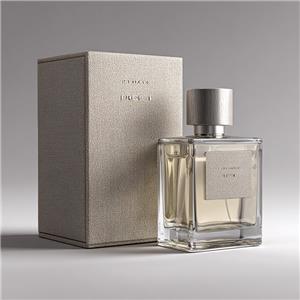
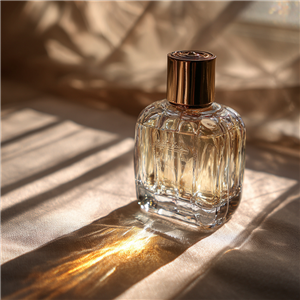
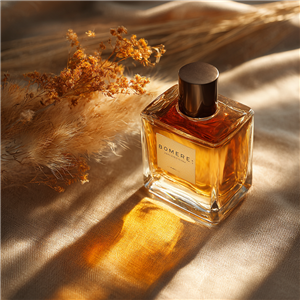
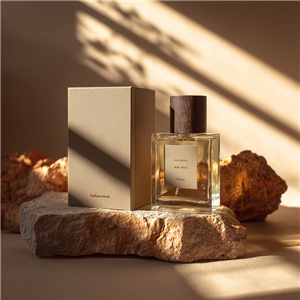
A Design Perfume Bottle is a custom or semi-custom fragrance container created with specific visual, functional, and branding features. It may use clear glass, colored glass, frosted glass, coated glass, thick-bottom glass, engraved glass, embossed glass, cut glass, or sculptural glass to create a distinct brand impression.
A basic empty cologne bottle holds liquid.
A better Design Perfume Bottle does more.
It expresses the fragrance positioning. It supports spray performance. It works with the pump and cap. It protects the formula from light exposure when needed. It survives filling, packing, shipping, and retail display. It also gives the brand a repeatable visual identity.
In plain English, a Perfume Cologne Bottle has to look beautiful and behave well on the production line.
Both matter.
Design Perfume Bottle vs Standard Perfume Bottle
A standard Glass Perfume Bottle often uses an existing mold, common shape, and regular surface finish. Buyers choose it because it is faster, more affordable, and easier to source.
A Design Perfume Bottle adds stronger visual identity. It may use custom embossing, sculptural contours, special coating, metal label decoration, unique shoulder curves, irregular grooves, thick glass base, colored finish, or a custom cap combination.
Neither option is automatically better.
For a fast-launch private-label fragrance, a stock empty cologne bottle may work well. For a premium niche perfume brand, a custom design may create stronger shelf impact. For a cologne line targeting men’s grooming, a heavy square Glass Perfume Cologne Bottle may feel more suitable than a soft rounded bottle.
The choice depends on brand position, budget, launch schedule, MOQ, and filling method.
Why Bottle Design Matters More Than Many Buyers Expect
Honestly, this is where many buyers get confused.
They think the perfume sells because of the scent alone. In real retail, the bottle carries a large part of the perceived value. Consumers often judge weight, clarity, cap fit, spray feel, and box presentation before they fully experience the fragrance.
A heavy glass base can make a 50ml bottle feel expensive.
A poor cap fit can make a luxury fragrance feel cheap.
A beautiful coating can create shelf appeal.
A weak coating can scratch during shipping and create returns.
A unique silhouette can help a brand stand out online.
A difficult shape can slow down filling and packing.
The bottle is both a marketing asset and an engineering object. Treating it as only decoration creates problems later.
Scenario: Where Design Perfume Bottles Create Real Value
Different buyers need different bottle solutions. A niche fragrance startup does not buy the same way as a large distributor. A hotel amenity brand does not care about the same details as a luxury cologne brand. A brand owner preparing an online launch has different concerns from a buyer planning mass retail distribution.
Let’s break it down by real scenarios.
Niche Perfume Brands
Niche fragrance brands often care about storytelling. They want the bottle to feel personal, artistic, and memorable.
A Design Perfume Bottle can help them build that identity through shape, glass color, surface finish, and cap pairing. A smoky grey cut glass bottle may support a darker woody fragrance. A creamy beige coated bottle may suit a soft powdery scent. A clear thick-bottom bottle may work well for a minimalist fragrance line.
Look, niche customers notice details.
They notice the bottle weight. They notice how the cap clicks into place. They notice whether the spray mist feels fine or cheap. They notice whether the label sits straight. They notice whether the box protects the bottle properly.
We’ve seen small brands win customer trust with a simple but well-executed Glass Perfume Bottle. We’ve also seen brands damage their launch because the decoration looked good in sample photos but failed under batch production pressure.
Private Label Fragrance Projects
Private-label buyers usually need speed and flexibility.
They may not want a completely new mold at the beginning. They may choose an existing cologne bottle empty design and customize it with coating, printing, hot stamping, label, cap, pump, and box.
This route often works well for first launches because it reduces mold cost and shortens lead time.
But here’s the problem. Many private-label buyers treat decoration as an afterthought. They choose the bottle first, then rush label size, cap color, sprayer style, and carton design later.
That creates mismatched packaging.
A strong private-label project should coordinate bottle shape, fragrance positioning, cap design, pump color, label size, box structure, and shipping carton from the start.
Luxury Cologne Lines
A Glass Perfume Cologne Bottle for a premium cologne line usually needs a different feel.
Men’s cologne packaging often uses stronger geometry, heavier glass, darker tones, metallic caps, smoky finish, or angular edges. Not always, of course. But many buyers still associate cologne packaging with structure, weight, and confidence.
A square bottle can feel classic.
A multi-sided angular bottle can feel modern.
A smoky grey bottle can feel bold.
A thick clear bottle can feel clean and expensive.
For B2B buyers, the goal is not to copy a famous brand. The goal is to build a bottle language that matches the fragrance story and target customer.
Online Fragrance Brands
Online perfume brands need packaging that photographs well.
This sounds simple, but it changes the whole selection process.
A bottle may look beautiful in hand but flat in photos. A label may look premium under studio lighting but unreadable on a marketplace thumbnail. A glossy surface may reflect too much light. A transparent bottle may disappear against a white background. A highly decorative cap may look impressive in close-up but make the product look crowded in banner images.
We’ve noticed that online fragrance brands often prefer bottles with strong silhouettes because the bottle needs to stand out in small product images.
A Design Perfume Bottle for e-commerce should consider:
Front view clarity
Bottle outline
Label contrast
Cap proportion
Color consistency
Photo reflection
Packaging box visibility
Unboxing experience
The best bottle is not always the most complicated one. Sometimes a simple shape with one strong detail works better.
Hotel and Travel Fragrance Products
Hotel, travel, and gift-set fragrance projects often need practical packaging.
They care about compact size, leakage resistance, easy handling, and safe transport. A 30ml empty cologne bottle may suit gift sets. A 50ml Perfume Cologne Bottle may work for boutique hotel retail. A 100ml Glass Perfume Bottle may suit standard retail shelves.
Travel-oriented projects should pay close attention to pump sealing, cap tightness, bottle thickness, and carton protection.
We’ve seen leakage issues appear after vibration testing even when the bottle looked fine during a simple desk test. Shipping reveals weaknesses that office testing misses.
Pain Points: Why Perfume Bottle Projects Fail
Perfume bottle projects usually fail for practical reasons. Not dramatic reasons. Practical ones.
Wrong neck finish.
Loose cap.
Weak coating.
Poor label adhesion.
Bad pump match.
Unstable glass weight.
Carton not strong enough.
Bottle too hard to fill.
And yes, sometimes the design looks beautiful but cannot scale.
Pain Point 1: Buyers Focus Too Much on Appearance
A beautiful Design Perfume Bottle helps sales, no doubt. But appearance alone cannot carry a packaging project.
Many fragrance brands focus too much on bottle aesthetics and ignore crimp compatibility during mass production. We’ve seen leakage issues appear only after international shipping vibration tests. In those cases, the brand did not have a scent problem. It had a packaging engineering problem.
A bottle must match the pump, collar, cap, filling process, and carton structure.
If one part fails, the customer blames the whole product.
Pain Point 2: Coating Looks Good in Samples but Fails Later
Coating can turn a simple Glass Perfume Bottle into a premium package. Matte mint green, creamy beige, nude neutral, glossy black, metallic finish, gradient color, frosted surface — all of these can create a strong visual identity.
But coating must survive real conditions.
Rubbing.
Packing.
Warehouse heat.
UV exposure.
Alcohol contact.
Filling-line handling.
We’ve seen coating issues happen after UV exposure. We’ve also seen color inconsistency between sample and mass production when the buyer did not define an acceptable color range.
For coated bottles, buyers should ask for adhesion testing, scratch testing, alcohol resistance testing, and color tolerance confirmation.
Pain Point 3: Bottle Weight Feels Wrong
Glass weight affects perceived value.
A light bottle may feel cheap even if the design looks good online. A very heavy bottle may feel premium, but it can increase shipping cost and breakage risk.
A thick-bottom Glass Perfume Bottle often feels more luxurious because the base creates weight and optical depth. But if the glass distribution is uneven, the bottle may look distorted or unstable.
Balance matters.
A premium bottle should feel solid, not clumsy.
Pain Point 4: Pump and Neck Compatibility Get Ignored
The neck finish controls whether the pump fits properly.
This is one of the most important technical details in a perfume bottle project. A 15mm crimp neck, screw neck, or other neck finish needs exact matching with the pump and sealing components.
A buyer may love a bottle shape, but if the pump does not crimp well, the project becomes risky.
Problems may include:
Leakage
Loose pump
Tilted sprayer
Poor spray performance
Difficult filling
High rejection rate
This is where things get tricky. Many buyers cannot see neck tolerance in product photos. They need supplier guidance.
Pain Point 5: Cap Fit Feels Cheap
A cap can make or break the bottle experience.
A loose cap feels bad. A cap that scratches the sprayer collar feels worse. A cap that does not align with the bottle shape creates a poor retail impression.
Cap material also changes product positioning. Zamac caps feel heavy and premium. Plastic caps reduce cost and weight. Wooden caps create a natural feeling. Acrylic caps can look modern and clean.
The cap must match the bottle mouth, pump height, shoulder design, and brand style.
A beautiful bottle with the wrong cap looks unfinished.
Pain Point 6: Decoration Method Does Not Match the Bottle Shape
Some decoration methods work better on flat surfaces. Some work better on curved surfaces. Some need enough panel space. Some need tight positioning control.
A bottle with deep grooves may look beautiful, but label application may become harder. A sculptural bottle may limit screen printing area. A curved bottle may require special fixture support. A heavily faceted bottle may distort printed graphics.
Before confirming a Design Perfume Bottle, buyers should check how the logo, label, hot stamping, embossing, or metal tag will sit on the actual glass surface.
Pain Point 7: Packaging Box Structure Is Too Weak
Many buyers spend months on bottle design and only a few days on the box.
Bad idea.
The box protects the bottle, supports brand image, and affects shipping safety. A weak bottom structure may fail under weight. A loose insert may let the bottle move. A thin carton may crush during transport. A poor fit may scratch the coating.
We’ve seen bottle damage appear after overseas shipping vibration tests because the inner support did not lock the bottle well.
For a Glass Perfume Cologne Bottle, especially a heavy one, the box structure should not be an afterthought.
Selection Points: How B2B Buyers Should Choose a Design Perfume Bottle
Choosing a Design Perfume Bottle requires both brand thinking and engineering thinking. You need to ask what the bottle should say, and you need to ask whether the bottle can survive production.
1. Start With Brand Positioning
Before choosing a bottle, define the fragrance position.
Luxury?
Minimalist?
Natural?
Youthful?
Masculine?
Unisex?
Arabic-style luxury?
French boutique?
Clean beauty?
Niche artistic?
The bottle should match that story. A smoky cut-glass Perfume Cologne Bottle may not suit a soft floral clean-beauty fragrance. A creamy nude coated bottle may not fit a dark oud cologne. A heavy square bottle may work well for classic men’s cologne but feel too rigid for a playful lifestyle scent.
The bottle needs a job.
Give it one.
2. Choose Capacity Based on Sales Channel
Common perfume bottle sizes include 30ml, 50ml, and 100ml.
A 30ml bottle works well for discovery sets, gift sets, travel-friendly collections, and entry-level pricing.
A 50ml bottle often works as a balanced retail size. It feels substantial but not too expensive.
A 100ml bottle suits full-size retail, cologne lines, and brands that want stronger shelf presence.
For online sales, smaller sizes may lower first-purchase hesitation. For luxury retail, heavier 50ml and 100ml bottles may create stronger perceived value.
3. Confirm Neck Finish Early
Do this early.
Not later.
The neck finish affects pump selection, sealing, filling, collar design, cap height, and leakage risk. Buyers should confirm crimp neck or screw neck requirements before finalizing bottle shape.
If your filling factory already uses a certain pump system, tell the bottle supplier before sampling.
This avoids painful redesign later.
4. Match Bottle Shape With Filling Line
Some bottle shapes are easy to fill. Some look beautiful but create handling issues.
A round bottle moves differently from a square bottle. A tall thin bottle may tilt more easily. A heavy base may improve stability. An irregular sculptural bottle may need special support during filling and labeling.
If the project will run on an automatic or semi-automatic filling line, ask whether the bottle shape can pass smoothly through the equipment.
The design should not fight the production line.
5. Choose Glass Color and Finish Carefully
Clear glass shows the perfume color. It works well when the liquid color supports the brand story.
Tinted glass can protect against light exposure and create stronger mood.
Frosted glass gives a soft, premium look.
Coated glass creates strong color identity.
Cut glass adds luxury and light reflection.
Embossed glass adds tactile branding.
Each finish has trade-offs. Frosted surfaces may show dirt. Glossy coatings may show fingerprints. Dark glass may hide the liquid level. Heavy cutting may increase cost. Deep embossing may affect mold complexity.
Choose the finish that supports both brand image and real use.
6. Ask About Decoration Options
Decoration turns a bottle into a branded product.
Common options include:
Screen printing
Hot stamping
Labeling
Spray coating
Frosting
Electroplating
Embossing
Debossing
Metal plaques
UV printing
Laser engraving
For a Design Perfume Bottle, decoration should match surface geometry. A flat rectangular panel works well for labels or metal tags. A curved bottle may suit screen printing or minimalist marking. A faceted bottle may work better with cap and box branding than large body printing.
7. Test Cap and Pump Together
Never approve the bottle alone.
Approve the bottle, pump, collar, cap, and box as one system.
The cap should fit tightly but not feel hard to remove. The pump should spray evenly. The collar should sit cleanly. The cap should not scrape decoration. The full package should feel balanced in hand.
We often tell buyers to test the full set before mass production.
Bottle only? Not enough.
8. Check Packaging Protection
For export orders, packaging must handle real shipping.
Ask about:
Inner tray structure
Bottle separation
Carton thickness
Drop test
Vibration test
Scratch protection
Cap protection
Accessory placement
Pallet loading
Moisture control
A Glass Perfume Bottle can break. A coated bottle can scratch. A cap can loosen. A box can deform.
Good packaging prevents those issues before they become claims.
9. Review Supplier OEM/ODM Capability
For B2B buyers, OEM/ODM capability decides how far a project can go.
A strong supplier should help with bottle selection, mold discussion, decoration suggestion, pump and cap matching, sample confirmation, packaging solution, and mass production quality control.
Private-label buyers may need logo printing and box design.
Brand owners may need custom mold support.
Distributors may need stable stock models.
OEM customers may need repeated batch consistency.
Choose a supplier that understands the full workflow, not just one product photo.
Parameter Suggestions for Design Perfume Bottle Projects
A good product page should make technical comparison easy. Buyers should not need to guess key details from images.
Suggested Parameters for a Standard Product Page
A strong Design Perfume Bottle product page should include:
Capacity: 30ml, 50ml, 100ml
Material: high-quality glass
Bottle type: spray perfume bottle or cologne bottle
Neck finish: crimp neck or screw neck
Pump compatibility: matching spray pump
Cap options: plastic, zamac, wooden, acrylic, magnetic if available
Surface finish: clear, frosted, coated, tinted, cut glass, embossed
Decoration options: printing, hot stamping, labeling, metal logo, engraving
Usage: perfume, cologne, fragrance, body mist, gift set
Packaging: individual box, inner tray, export carton
Customization: logo, color, cap, box, mold if needed
This type of information helps buyers compare quickly
Suggested Parameters for Cologne Bottle Projects
For Glass Perfume Cologne Bottle projects, buyers often prefer:
50ml or 100ml size
Square or rectangular shape
Strong shoulder line
Clear or smoky glass
Thicker base
Metallic cap
Stable spray pump
Masculine color palette
Good front label area
Strong carton protection
A Perfume Cologne Bottle should feel structured and confident.
Suggested Parameters for Fast-Launch Private Label
For fast private-label fragrance projects, buyers should focus on:
Existing mold availability
Low or reasonable MOQ
Fast sample time
Logo printing option
Standard pump and cap matching
Available box structure
Stable stock bottle supply
Quick decoration confirmation
Reliable packaging for export
A stock empty cologne bottle can work well if decoration and cap selection are handled properly.
Engineering Experience: What We Check Before Mass Production
In real projects, we do not only ask whether the bottle looks nice.
We check risk.
Glass Quality
We check clarity, bubbles, stones, scratches, wall thickness, base thickness, mouth finish, and bottle stability.
Tiny bubbles may not affect function, but too many visible defects hurt premium positioning. Uneven glass distribution can create optical distortion. A rough mouth finish can affect pump sealing.
Dimensional Tolerance
Tolerance affects matching.
Bottle mouth tolerance affects pump fit. Body tolerance affects filling line handling. Cap tolerance affects closing feel. Box tolerance affects packing stability.
If tolerance control stays weak, mass production becomes unpredictable.
Pump Compatibility
We test crimping, sealing, spray pattern, leakage, dip tube length, and actuator feel.
A good pump should spray cleanly. No sputtering. No weak mist. No leaking around the neck.
Decoration Durability
We check coating adhesion, printing accuracy, color consistency, scratch resistance, and alcohol resistance.
Perfume contains alcohol. Packaging must respect that.
Shipping Simulation
We check whether bottles move inside the box, whether caps scratch, whether coating rubs, whether cartons deform, and whether leakage appears after vibration.
A bottle that survives the showroom but fails during shipping is not ready for export.
Common Mistakes When Buying Design Perfume Bottles
Mistakes happen often because buyers rush from design idea to order confirmation.
Mistake 1: Choosing a Bottle Without Checking the Pump
This is probably the most common technical mistake.
The buyer loves the bottle. The pump is selected later. Then the pump does not match well.
Now the project faces leakage risk, crimping trouble, or delayed production.
Check bottle and pump together.
Mistake 2: Treating the Cap as a Separate Accessory
The cap affects product value.
A weak cap can make a good bottle feel cheap. A heavy cap can make the bottle feel premium. A loose cap can damage user trust.
Match cap weight, color, height, and fit with the bottle body.
Mistake 3: Ignoring Filling-Line Requirements
A bottle that looks good in a photo may not behave well during filling.
Tall bottles may tilt. Irregular bottles may need special fixtures. Heavy bottles may slow packing. Deep grooves may complicate labeling.
Talk to the filling factory early.
Mistake 4: Overdesigning the Bottle
More design does not always mean better packaging.
Too many grooves, colors, labels, caps, and decorative parts can make the bottle look crowded. It can also raise cost and quality risk.
A strong Design Perfume Bottle usually has one or two memorable details, not ten.
Mistake 5: Forgetting the Box
The box supports the first impression and protects the bottle.
A premium Glass Perfume Bottle inside a weak box feels wrong. A heavy bottle inside a weak tray creates damage risk.
Design the bottle and box together.
Mistake 6: Not Testing Coating Under Real Conditions
A coating sample may look perfect on day one.
Then comes rubbing, alcohol, heat, UV, and shipping.
Test before mass production.
Mistake 7: Buying Only by Price
Cheap bottles can work for some projects. No problem.
But for fragrance brands, packaging failure costs more than the price difference. Leakage, scratches, cap problems, and poor spray performance can damage reviews and repeat orders.
Buy for total value, not only unit price.
Buyer Questions From a Consumer Angle
B2B buyers should think like the final customer.
Does the bottle feel premium in hand?
Weight, glass clarity, cap fit, and spray feel all affect perceived quality.
Can I see the perfume color clearly?
Clear glass works well when the liquid color supports the brand. Tinted or coated glass works better when the brand wants mood, protection, or stronger shelf identity.
Will the bottle leak in a bag?
A good Perfume Cologne Bottle needs proper pump sealing, cap fit, and leakage testing.
Does the design match the scent?
A soft floral scent may need a different bottle language from a dark woody cologne. Packaging should match fragrance personality.
Will the bottle look good online?
For e-commerce, silhouette, label contrast, and front-view clarity matter a lot.
Is the bottle easy to refill?
Some refill bottle designs support easier reuse. Buyers should confirm neck structure and pump design before marketing the product as refillable.
Why PerfumePackagingPro Design Perfume Bottles Fit B2B Projects
PerfumePackagingPro’s Design Perfume Bottle category gives B2B buyers many visual directions to choose from, including empty glass perfume bottles, frosted cologne bottles, unique perfume bottles, refill bottles, thick glass bottles, coated bottles, cut glass bottles, and 30ml, 50ml, 100ml formats.
This range matters because fragrance buyers do not all need the same bottle.
A soft lifestyle brand may choose matte mint green, cream, or nude neutral coated bottles.
A luxury cologne brand may choose smoky grey cut glass with angular facets.
A minimalist brand may choose clear cylindrical or rectangular glass.
A private-label buyer may choose an existing mold and customize it through color, logo, cap, and box.
A premium fragrance house may ask for a sculptural contour, embossed detail, or special surface treatment.
The advantage comes from choice plus packaging logic. A bottle project needs body, pump, cap, decoration, and box coordination. When a supplier understands that system, the buyer gets fewer surprises.
FAQ
1. What is a Design Perfume Bottle?
A Design Perfume Bottle is a fragrance bottle created with specific shape, glass finish, decoration, cap, and packaging details to match a perfume brand’s market position and visual identity.
2. What sizes are common for Glass Perfume Bottle projects?
Common sizes include 30ml, 50ml, and 100ml. A 30ml bottle works well for travel or gift sets, 50ml suits many retail launches, and 100ml works well for full-size perfume or cologne lines.
3. How do I choose an empty cologne bottle for a private-label brand?
Start with brand positioning, target price, capacity, bottle shape, cap style, pump type, decoration method, and packaging box. Then confirm neck compatibility and leakage testing before bulk orders.
4. Why does pump compatibility matter?
Pump compatibility affects sealing, spray performance, leakage risk, and filling-line efficiency. A beautiful bottle can still fail if the pump does not match the neck finish correctly.
5. What makes a Glass Perfume Cologne Bottle feel premium?
Glass weight, thick base, clear or smoky finish, stable cap fit, fine mist spray, clean label area, and strong box protection all help create a premium feel.
6. Can I customize a cologne bottle empty design?
Yes. Many existing bottle molds can be customized with coating, frosting, printing, hot stamping, labeling, cap selection, pump color, and box design. Full custom mold development may also be possible depending on MOQ and project budget.
7. What should importers check before placing a bulk order?
Importers should check glass quality, neck finish, pump and cap fit, decoration durability, packaging protection, carton strength, MOQ, lead time, sample approval process, and mass production tolerance.
8. Why do coated perfume bottles need extra testing?
Coated bottles may face scratching, alcohol contact, UV exposure, and color variation during production and shipping. Adhesion, scratch, alcohol resistance, and color consistency tests help reduce risk.
Conclusion
A Design Perfume Bottle carries more responsibility than many buyers expect. It must attract attention, express the fragrance story, protect the liquid, match the pump, fit the cap, survive filling, and arrive safely after international shipping.