Where Light Meets Liquid – The Unspoken Poetry of Perfume Bottle Design
Where Light Meets Liquid – The Unspoken Poetry of Perfume Bottle Design
Creating a fragrance vessel is far more than molding glass. It’s a silent conversation between scent and sight. Every curve, every closure, every reflection tells a story. In this article, we explore how perfume bottle design transforms a simple container into an emotional signature. From the first sketch to the final inspection, this journey is about capturing a brand’s soul inside a transparent shell. You’ll learn why texture matters, how prototyping saves dreams, and what makes a bottle truly unforgettable.
The First Breath – Inspiration That Feels Like a Fragrance
Before any CAD file exists, the designer sits with the perfume itself. That’s where perfume bottle design truly begins. You close your eyes and let the top notes – bergamot, rose, oud – suggest a shape. A fresh aquatic scent might whisper for a sleek, minimalist cylinder. A dark, resinous amber wants something heavier, perhaps a faceted cube that catches light like cut crystal.
Mood Boards Made of Glass Memories
We collect torn magazine pages, pressed flowers, and photos of vintage apothecary bottles. These tangible bits become the color palette and texture guide. The goal? To ensure the perfume bottle design feels inevitable – as if the bottle grew from the fragrance, not the other way around.
The Sketch Phase – Lines That Breathe
Once the mood is set, pencils hit paper. No computers yet. Just loose, fast strokes that capture weight and balance. A bottle that’s too top-heavy will tip on a vanity. One that’s too wide won’t fit a purse. These practical whispers live inside every perfume bottle design from day one.
Digital Sculpting – When Curves Become Data
After a dozen hand sketches, we move to 3D software. This is where the magic gets real. We rotate, zoom, and test how light bends through virtual glass. Does the shoulder feel elegant? Is the neck comfortable for spraying? Small adjustments here save months of pain later.
Listening to the Perfumer – A Collaboration of Senses
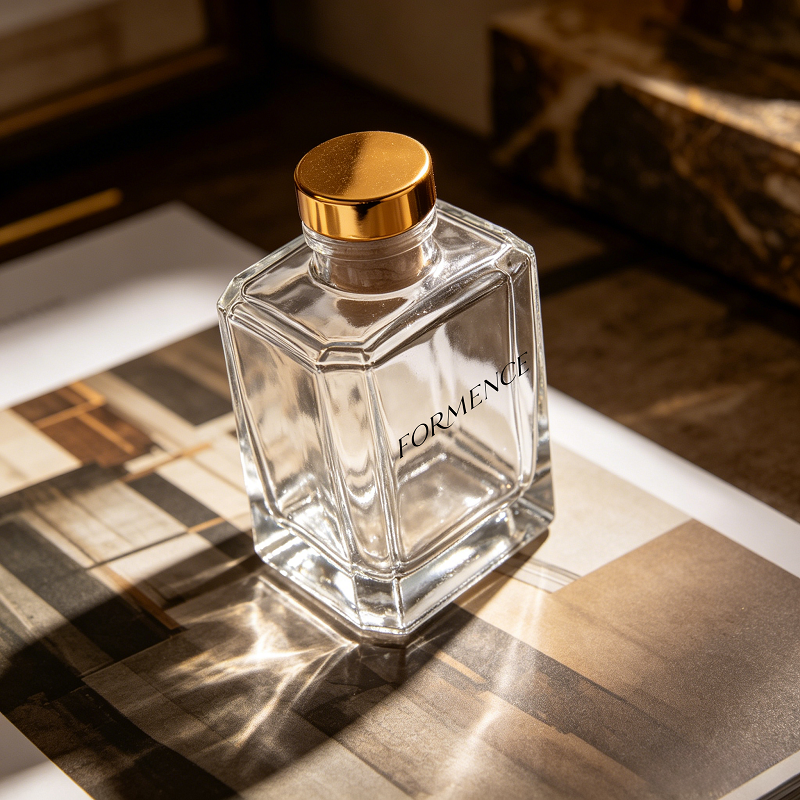
You’d be surprised how often designers forget this step. A perfume bottle design must honor the liquid inside. Perfumers talk about “dry-down” and “sillage.” I translate those terms into visual weight. A long-lasting, bold fragrance deserves a heavy base – think a thick glass bottom. A delicate eau de toilette asks for something lighter, maybe a thinner wall and a softer silhouette.
Brand Stakeholders – The Guardians of Identity
We review color psychology, logo placement, and unboxing experience. Every decision feeds back into the perfume bottle design, making sure it whispers luxury without shouting.
Prototyping – Where Dreams Meet Gravity
You can’t judge a bottle from a screen. We print the first prototype in clear resin or use a 3D-printed mold to blow a rough glass sample. Suddenly, you see the truth. That elegant curve? It feels awkward in the hand. The thin neck? It cracks under pressure.
The Iteration Dance – Five Versions, One Keeper
We go through rounds – sometimes ten. Each time, we adjust wall thickness, angle of the shoulder, even the way the cap screws on. This messy middle is the heartbeat of professional perfume bottle design. No one shares these failures on Instagram, but they’re the reason the final bottle works.
Material Selection – Glass, Crystal, and the Unconventional
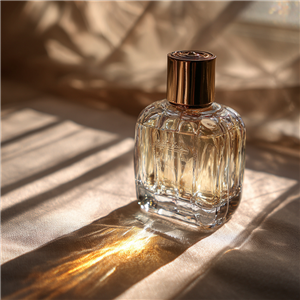
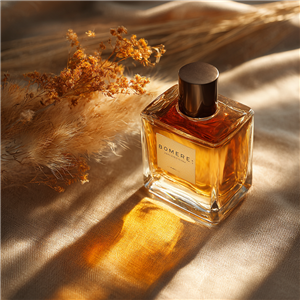
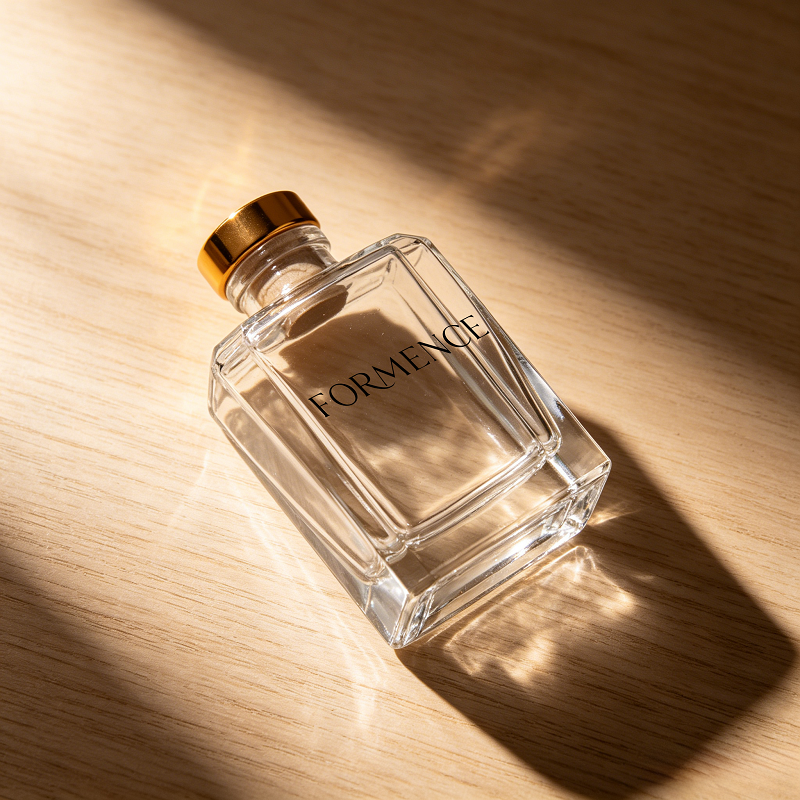
Clear flint glass is the classic for a reason – it shows the true color of the perfume. But let’s be honest: perfume bottle design gets exciting when you break rules. Frosted glass feels soft and intimate. Dark violet glass protects light-sensitive oils. And recycled glass? It tells a sustainability story that modern customers love.
Production Techniques – Hand-Blown vs. Machine-Made
Hand-blown bottles carry a soulful irregularity – perfect for ultra-luxury lines. But for a mid-range launch, high-pressure injection molding gives you precision and lower costs. Choosing the right method is a balancing act between artistry and your unit economics.
Branding Without Stickers – When Glass Becomes a Logo
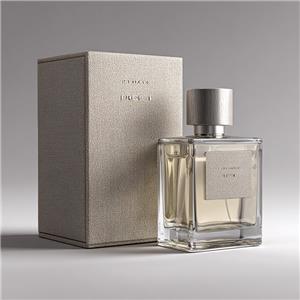
A metal plaque, an engraved signature, a colored dip at the base – these small gestures turn a generic vessel into your brand’s flag. The best perfume bottle design doesn’t need a label. You recognize it from across the room. Think of Chanel No.5’s stoic rectangle or Jean Paul Gaultier’s corset. That’s the goal.
Personalization – The New Frontier
We now offer etching of initials, interchangeable caps, and even small batches of custom-colored glass. Why? Because a bottle that says “yours” rather than “theirs” creates loyalty. It elevates perfume bottle design from industrial to intimate.
Quality Control – The Unsung Hero
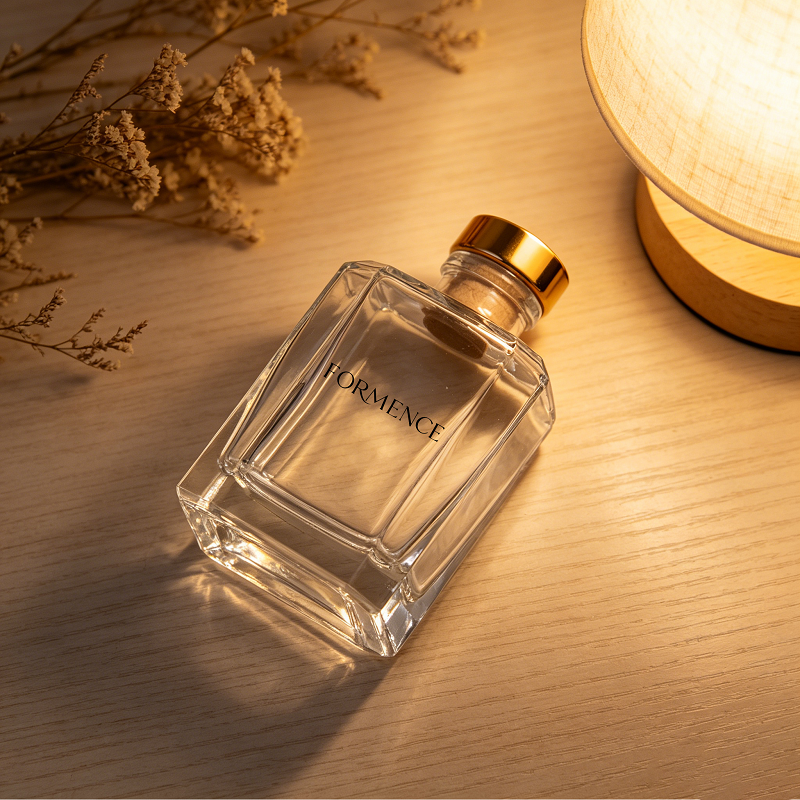
Before a single bottle ships, we torture it. Drop tests, thermal shock tests (from freezer to boiling water), and chemical compatibility checks – will the fragrance react with the glass or the pump’s metal spring? Professional perfume bottle design includes a full dossier of test results, not just pretty photos.
Packaging Matters Too
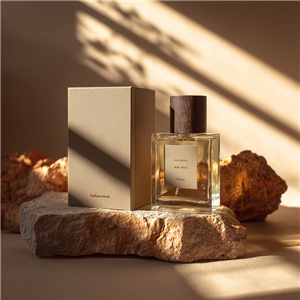
The outer box must cradle the bottle without scratching it. We test corrugated inserts, foam fits, and even humidity resistance. A scratched bottle on a shelf is a failure of perfume bottle design at the very last step.
FAQs: About Perfume Bottle Design
Q1: How long does a custom perfume bottle design take from concept to production?
Typically 4 to 9 months. The fastest I’ve seen is 12 weeks, but that requires pre-existing molds and no unusual shapes. Most of the time is eaten by prototyping iterations and tooling adjustments.
Q2: Can I use any type of glass for my perfume bottle?
Not all glass is created equal. Flint glass (clear) is most common, but amber glass protects against UV, and frosted glass hides fingerprints. Your choice affects both aesthetics and the perfume’s shelf life. A professional perfume bottle design always tests glass-fragrance interaction.
Q3: How do I ensure my bottle doesn’t leak?
Neck finish and cap liner are critical. We specify aluminum or phenolic liners with induction seals. A good perfume bottle design includes a vacuum test during quality control – every bottle holds pressure for 30 seconds.
Q4: Can I incorporate sustainable materials?
Absolutely. Recycled glass (post-consumer) is popular. Also, lightweighting – using 20% less glass while maintaining strength – reduces carbon footprint. Some brands even use refillable designs, where the outer perfume bottle design stays permanent, and only the inner cartridge is replaced.