How Perfume Bottle Design Shapes Luxury Fragrance Brands
Introduction
Look, most fragrance buyers think they purchase scent.
They do not.
At least not at first.
They buy visual emotion. They buy texture. Shape. Weight. Proportion. The feeling a bottle creates before the first spray even touches skin.
That is why the modern Perfume Bottle market changed so dramatically over the last few years. Luxury fragrance brands no longer treat bottles as simple containers. The bottle itself became part of the fragrance identity.
And honestly, customers notice everything now.
They notice:
glass thickness
bottle symmetry
atomizer feel
cap weight
spray quality
reflection under light
packaging presentation
Even tiny details influence how expensive a fragrance feels.
We have seen brands improve perceived product value significantly without changing the fragrance formula at all. They simply upgraded bottle engineering, glass quality, and decoration structure.
That shift matters because today’s fragrance market feels crowded. Extremely crowded.
Thousands of new fragrances launch every year. Indie brands continue growing. Luxury niche perfume collections appear constantly. Celebrity fragrances flood retail channels. Everyone competes for attention at the same time.
And inside all that competition?
The bottle becomes the first salesperson.
This guide explains how modern Perfume Bottle manufacturing works, why bottle engineering matters so much in luxury fragrance branding, how OEM perfume bottle factories develop custom designs, and what mistakes buyers still make when sourcing fragrance packaging.
If you are sourcing:
Perfume Bottle Glass
Cosmetic glass bottle
perfume bottle vintage
empty perfume bottle
luxury fragrance packaging
this guide should help you make much smarter decisions before production starts.
What Is a Perfume Bottle?
A Perfume Bottle acts as both:
fragrance container
luxury branding tool
Simple concept.
Very technical execution.
Modern perfume bottles combine:
glass engineering
decorative technology
atomizer compatibility
packaging aesthetics
transportation durability
luxury presentation
And honestly, luxury fragrance brands obsess over these details more than most people realize.
A premium bottle must:
feel balanced in hand
resist leakage
support atomizer pressure
maintain visual clarity
survive transportation
reflect brand identity
That balance requires serious manufacturing precision.
Why Perfume Bottle Design Matters So Much
Here’s the thing.
Fragrance customers cannot smell perfume online.
That means bottle design suddenly carries enormous responsibility.
The visual presentation must communicate:
luxury
quality
personality
craftsmanship
emotional positioning
before customers ever spray the fragrance.
We have noticed something interesting inside luxury fragrance manufacturing.
Customers often associate:
heavier bottles
thicker glass
cleaner symmetry
smoother atomizers
with higher fragrance quality automatically.
Even when the fragrance formula remains unchanged.
Psychology matters enormously in packaging.
How Perfume Bottles Influence Buying Decisions
Most perfume purchases happen emotionally first.
Logic comes later.
A beautiful perfume bottle design instantly creates:
curiosity
desire
emotional attachment
gifting appeal
shelf impact
That emotional response directly affects:
conversion rates
social media sharing
repeat purchases
luxury perception
And honestly, Instagram changed the fragrance industry permanently.
Bottle aesthetics now function as marketing content.
Types of Perfume Bottles
Different fragrance categories require different bottle structures.
No single bottle works for every fragrance project.
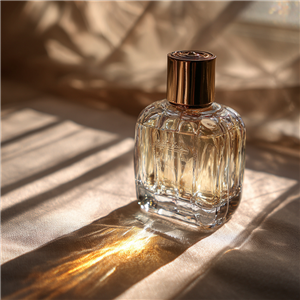
Vintage Perfume Bottle
The perfume bottle vintage category continues growing rapidly.
Consumers love:
retro silhouettes
thick decorative glass
embossed patterns
classic atomizer styling
old-world luxury aesthetics
Vintage-inspired bottles work especially well for:
niche fragrance brands
collectible perfume lines
luxury gifting collections
We have noticed strong demand for:
art deco structures
refillable vintage atomizers
gold decorative collars
crystal-inspired bottle geometry
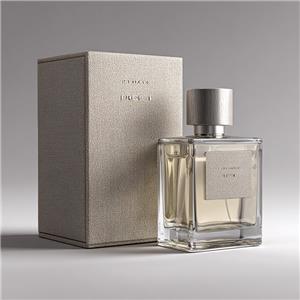
Minimalist Perfume Bottle
Modern luxury increasingly favors cleaner bottle structures.
Minimalist bottles usually feature:
simple geometric shapes
clear glass
neutral color palettes
understated branding
clean typography
This style performs extremely well online because:
it photographs beautifully
it feels modern
it creates premium perception without excessive decoration
Refillable Perfume Bottle
Sustainability changed fragrance packaging dramatically.
Refillable systems now dominate many luxury launches.
A refillable empty perfume bottle usually combines:
durable glass structure
replaceable atomizer systems
crimpless technology
long-term usability
Luxury brands increasingly prioritize refill systems because customers now expect more environmentally responsible packaging.
Travel Size Perfume Bottle
Smaller formats continue growing rapidly.
Especially:
10ml perfume bottle
30ml perfume bottle
These sizes work well for:
travel retail
sample collections
discovery kits
portable fragrance products
Compact fragrance packaging became much more important after global travel retail recovered strongly.
Standard Luxury Bottle Sizes
Different fragrance categories usually follow different volume structures.
10ml Perfume Bottle
The 10ml perfume bottle market keeps expanding because consumers increasingly want:
portable fragrances
discovery collections
handbag-friendly packaging
travel convenience
Luxury brands now frequently launch:
mini collections
fragrance layering sets
refillable travel atomizers
This category performs especially well online.
30ml Perfume Bottle
The 30ml perfume bottle size often works best for:
niche fragrances
premium samples
entry-level luxury products
Customers sometimes prefer smaller sizes because:
lower purchase commitment
easier gifting
more fragrance variety
Smaller luxury packaging no longer feels “cheap” the way it once did.
50ml Perfume Bottle
The 50ml perfume bottle remains one of the strongest global fragrance formats.
Why?
Balance.
It provides:
premium presentation
reasonable pricing
practical daily usage
strong gifting appeal
Many luxury fragrance launches still prioritize 50ml as the core SKU size.
100ml Perfume Bottle
The 100ml perfume bottle category dominates traditional retail fragrance sales.
Customers usually associate larger bottles with:
better value
long-term usage
premium ownership
Luxury brands often reserve:
thicker glass
heavier caps
more elaborate decoration
for 100ml flagship bottles.
Perfume Bottle Glass Explained
Glass quality matters enormously.
Probably more than many buyers expect.
A premium Perfume Bottle Glass structure improves:
visual clarity
weight perception
durability
luxury presentation
chemical stability
Luxury fragrance brands typically prefer:
high-flint glass
crystal-clear glass
thick-base structures
low-impurity glass composition
Customers immediately notice glass quality differences under lighting.
Why Cosmetic Glass Bottle Engineering Matters
A Cosmetic glass bottle used for fragrance packaging must handle:
alcohol compatibility
pressure resistance
transportation durability
decorative adhesion
atomizer sealing
Weak engineering creates:
cracking
leakage
coating failure
surface instability
Professional perfume bottle factories carefully engineer:
wall thickness
neck finish precision
mold consistency
internal pressure resistance
Tiny dimensional differences matter enormously.
How Perfume Bottles Are Manufactured
Bottle production sounds simple from the outside.
Actually?
Very technical.
A typical perfume bottle manufacturing process includes:
mold design
raw material preparation
glass melting
bottle forming
annealing
polishing
decoration
quality inspection
packaging
Every stage affects:
dimensional precision
transparency
durability
luxury appearance
And honestly, luxury fragrance brands inspect bottles aggressively before approving mass production.
Mold Development in OEM Perfume Bottle Manufacturing
Custom mold development separates premium OEM suppliers from generic bottle factories.
A professional OEM process usually includes:
3D bottle rendering
engineering drawings
mold machining
prototype sampling
dimensional testing
production validation
We have noticed that luxury fragrance brands increasingly request:
proprietary bottle molds
exclusive geometry
custom glass effects
unique decorative structures
because differentiation matters more than ever.
Decoration Technologies Used in Luxury Perfume Bottles
Decoration now plays a massive role in fragrance packaging.
Popular techniques include:
silk screen printing
UV coating
hot stamping
electroplating
gradient coating
frosting
metallization
Decoration quality directly influences:
luxury perception
shelf visibility
social media appearance
And honestly, poor decoration ruins premium positioning immediately.
Perfume Bottle Design Trends in 2026
Fragrance packaging aesthetics continue evolving quickly.
We currently see strong demand for:
minimalist bottle geometry
thick glass bases
refillable structures
matte coatings
transparent luxury styling
architectural silhouettes
sustainable packaging
monochrome decoration
Consumers increasingly prefer:
quiet luxury.
Not excessive decoration.
That shift changed bottle design dramatically.
Common Problems Buyers Face When Sourcing Perfume Bottles
Some sourcing mistakes appear constantly.
Even experienced fragrance buyers sometimes overlook them.
Poor Neck Finish Precision
Neck precision affects:
atomizer sealing
spray stability
leakage resistance
Weak dimensional control creates massive downstream production problems.
Professional factories use strict tolerance management to maintain consistency.
Decoration Adhesion Failure
Low-quality coatings often peel during:
transportation
alcohol exposure
repeated handling
Luxury fragrance brands usually request:
adhesion testing
abrasion testing
alcohol resistance testing
before approving production.
Thin Glass Structures
Cheap bottles often use thinner glass to reduce cost.
Bad idea.
Thin structures create:
cracking risk
weak luxury perception
transportation damage
unstable atomizer support
Customers immediately notice lightweight bottles.
Mold Inconsistency
Poor mold precision creates:
uneven symmetry
distorted reflection
unstable filling alignment
packaging inconsistency
Luxury fragrance customers notice asymmetry surprisingly quickly.
How We Recommend Choosing the Right Perfume Bottle
This is where many fragrance brands either improve product positioning or accidentally weaken it.
Choosing the right Perfume Bottle involves balancing:
brand identity
customer expectations
atomizer compatibility
transportation durability
manufacturing consistency
Not just appearance.
Match Bottle Design With Fragrance Identity
Luxury fragrances often perform best with:
thicker glass
minimalist geometry
premium weight
refined decoration
Youth-oriented fragrance brands sometimes prefer:
bold colors
playful structures
lighter packaging
Niche artistic fragrances frequently use:
architectural silhouettes
custom molds
experimental decoration
The bottle should emotionally match the fragrance itself.
Test Atomizer Compatibility Early
This mistake happens constantly.
Brands approve bottle design before fully testing:
spray systems
crimp compatibility
neck dimensions
leakage stability
Then production problems appear later.
Always verify:
FEA neck finish
pump alignment
sealing consistency
spray performance
before mass production starts.
Why OEM/ODM Experience Matters
Not every glass factory understands fragrance packaging properly.
Perfume bottles require:
dimensional precision
atomizer compatibility
alcohol resistance
luxury finishing standards
Professional OEM perfume packaging factories usually provide:
mold engineering
decoration support
production testing
filling compatibility guidance
packaging integration
That experience matters enormously.
Common Perfume Bottle Trends We Keep Seeing
The market keeps changing quickly.
We currently see rapid growth in:
refillable bottles
sustainable glass
thick-bottom luxury bottles
magnetic cap systems
minimalist perfume bottle design
transparent glass aesthetics
travel-size fragrance packaging
Consumers increasingly value:
experience over decoration.
FAQ
What is a Perfume Bottle?
A Perfume Bottle is a fragrance container designed to store, protect, and present perfume while supporting spray system compatibility and luxury branding.
Why does perfume bottle design matter so much?
Bottle design shapes first impressions, improves emotional connection, strengthens luxury perception, and influences purchasing decisions.
What is the advantage of Perfume Bottle Glass?
High-quality Perfume Bottle Glass improves durability, transparency, luxury appearance, and fragrance stability.
Why are vintage perfume bottles becoming popular again?
The perfume bottle vintage market continues growing because consumers increasingly prefer collectible aesthetics, thicker glass structures, and nostalgic luxury presentation.
What bottle size works best for luxury fragrance brands?
Different markets prefer different sizes:
10ml perfume bottle for travel
30ml perfume bottle for discovery
50ml perfume bottle for balanced luxury
100ml perfume bottle for flagship retail
What is a Cosmetic glass bottle?
A Cosmetic glass bottle refers to engineered glass packaging used for beauty and fragrance products requiring chemical stability and premium presentation.
Conclusion
The fragrance industry keeps evolving.
And honestly, customers notice packaging quality more than ever before.
A premium Perfume Bottle no longer acts as simple fragrance storage. It shapes emotional connection, affects luxury perception, improves customer experience, and influences how consumers value the fragrance itself.
We have watched brands dramatically improve product positioning simply by upgrading bottle engineering and glass quality.
And customers feel the difference immediately.
Glass weight. Transparency. Spray feel. Decoration precision. Bottle balance.
Every detail contributes to how luxurious the fragrance feels.
Brands that invest seriously in better perfume bottle design usually create stronger long-term customer perception because the bottle becomes part of the fragrance identity itself.